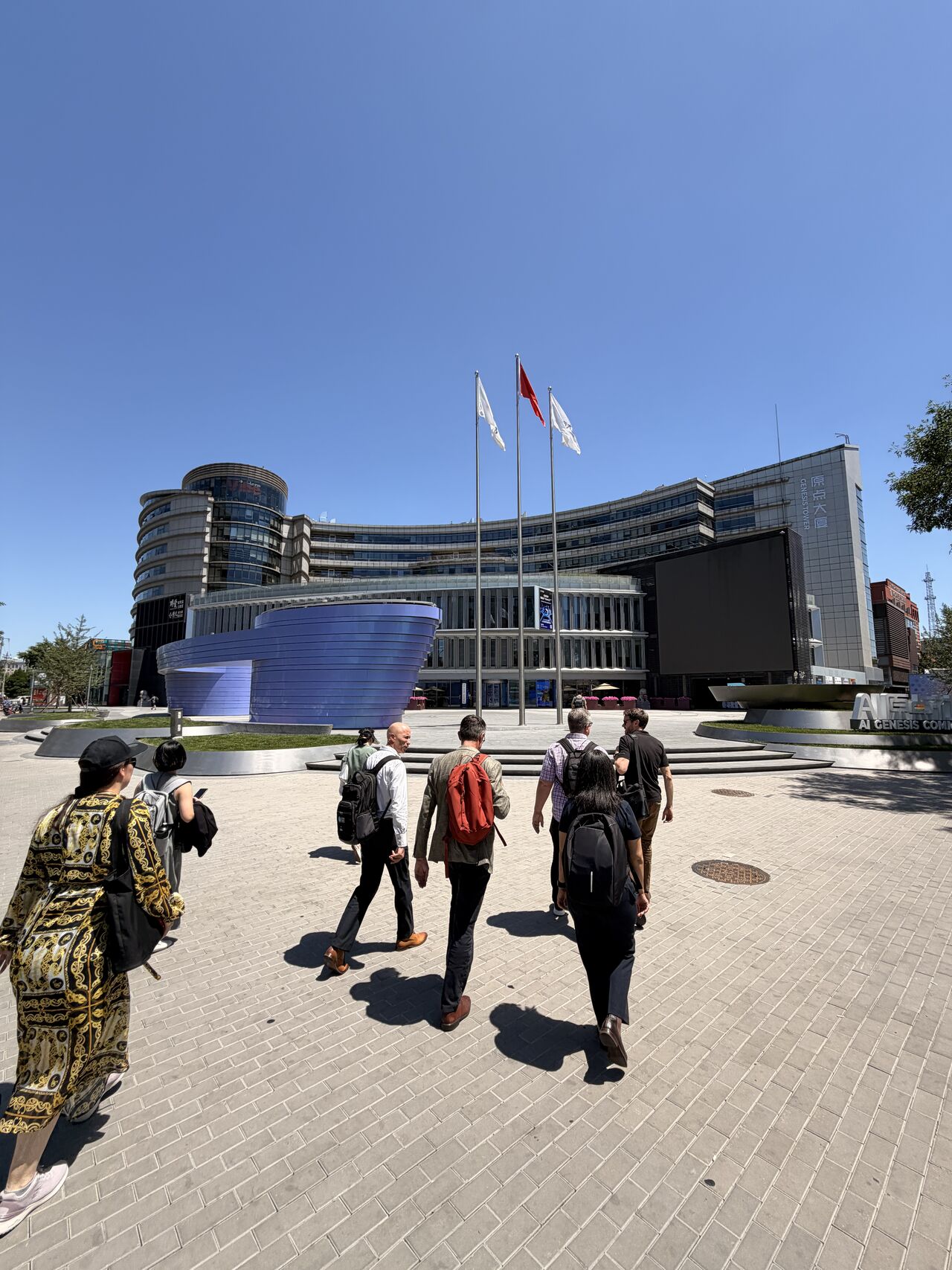
Day four: robot dogs and humanoids, AI embedded into everyday household items, and Alibaba’s take on e-commerce analytics.
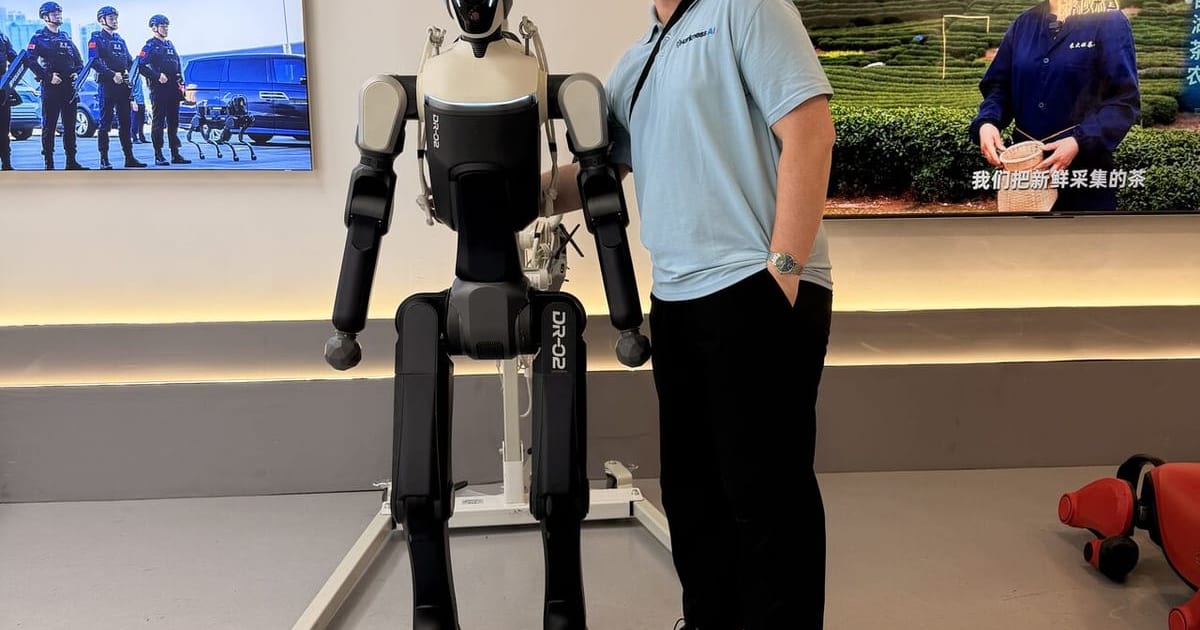
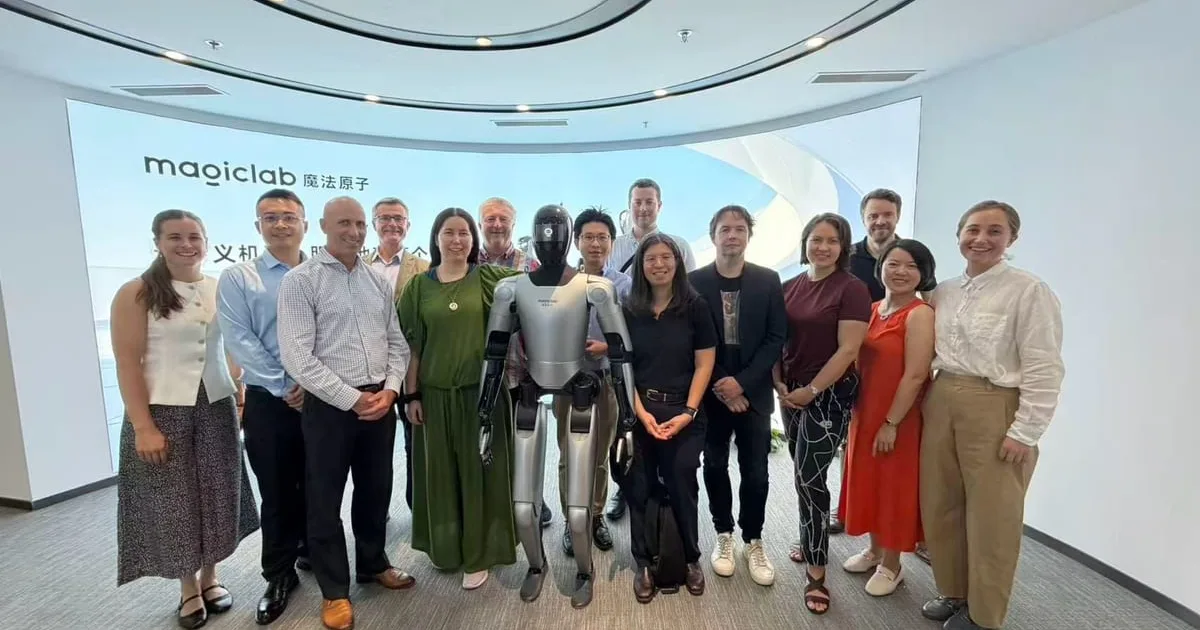
MagicLab
MagicLab launched in January 2024 and has already hit 500 staff, 80% of them engineers. They’re shipping robot dogs at iPhone prices alongside humanoids, with an open-source SDK and 90% in-house hardware. Full stack, moving fast.
One surprising use case they had in a full demo: police robots. Definitely something New Zealand won’t be seeing any time soon.
Dreame
Dreame was the highlight of the morning, with over 200 businesses operating under their ecosystem through licensing or co-branding. The demos included a fridge that adjusts its temperature based on what vegetables are inside, a voice-activated stair-climbing Roomba, and a tap that pours exact amounts on voice command.
China’s old advantage was manufacturing. Now it’s iteration speed, data and scale. Because manufacturing is cheap and fast, they can test, fail and rebuild faster than anywhere else. In some verticals Dreame even runs two internal business units competing against each other on the same problem - and if a unit doesn’t hit its targets, it’s gone.
Alibaba
Then Alibaba: 2 billion downloads across their models this year, and 250,000 derived models built on top of Qwen. Most of the Qwen presentation was fairly high level, but then they got into AI use in e-commerce, using fashion branding as the example.
They first tried using AI to generate clothing designs end to end. It hard failed - the designs were soulless, and the designers had no idea how the AI produced its results, which killed any trust in it.
So they rebuilt the approach. Now AI handles the market intelligence, competitor scanning, trend prediction and digital twin testing, and all of that gets fed into the AI when it creates designs. The output is backed by the data analysis behind it. That’s probably the right answer for most industries.
This is part of my AI in China series. Previously: Day 3 - Humanoid Robots, Open-Source Coding and Voice-Controlled Cars. Next up: Day 5 - Legal AI, Smart Cities and Substation Humanoids.