AI for New Zealand Construction Companies
Construction runs on paperwork - tenders, variations, health and safety, site reports, compliance records. That is the part AI is genuinely good at, and it is the part nobody wants to do. We build it into the systems your team already uses rather than adding another one.
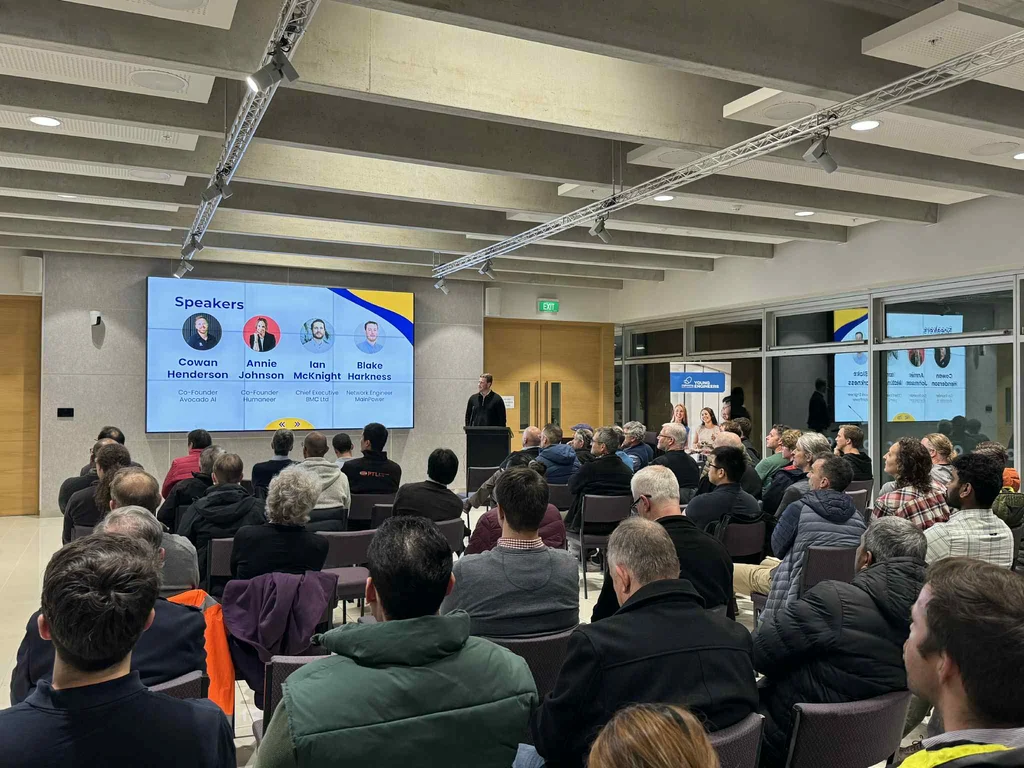
Trusted by New Zealand construction businesses





What we actually get asked for
These are the jobs construction clients actually bring us, not a list of things AI can theoretically do.
Tenders and submissions
A tender response is mostly the same content rearranged for a new client, and it eats a senior person's week. AI drafts the first pass from your past submissions and your own capability statements, so the work becomes editing rather than starting from a blank page. The judgement stays with you - the retyping does not.
Health and safety admin
SSSPs, JSAs, toolbox records, hazard registers, incident reports. The content is repetitive and the format is fixed, which is exactly where AI is reliable. It drafts against your templates and your actual site conditions, and staff can ask what your policy says without opening a folder or ringing the office.
Getting data out of PDFs
Supplier invoices, plans, variations, product specs, council correspondence. Most of a project office's day is reading a document and typing part of it somewhere else. That handover is automatable, and it is usually the fastest thing to prove value on because you can measure it in the first fortnight.
Quoting and estimating support
Not replacing your estimator - giving them a faster first pass. Pulling comparable jobs, checking a quote against your price book, flagging what is missing before it goes out. The estimate stays a human decision made on better-organised information.
Project and job reporting
Weekly reports, client updates, progress claims and back-costing all pull from systems that were never designed to talk to each other. We build the connection once so the report assembles itself and someone reviews it, rather than someone rebuilding it every Friday.
Making your own documents answerable
Every firm has years of drawings, methodologies, specifications and past project files that nobody can find quickly. Turning that into something your team can ask questions of is one of the highest-value builds in this sector, because the knowledge already exists - it is just unreachable.
We work with what you already run
We are not going to ask you to move off the tools you already run. These are the stacks we actually meet in New Zealand construction businesses.
- Xero and Xero Projects
- Microsoft 365 and SharePoint
- Dropbox for site crews
- Procore
- SimPro
- Fergus
- Buildxact
- ServiceM8
- iPayroll
- DocuSign
Plenty of firms we work with looked at the big construction platforms and turned them down on cost or fit. That is a completely reasonable call, and it does not stop you getting value out of AI - it just means the work goes into connecting what you have rather than migrating to something new.
Construction clients on the work
Commercial builders, steel fabricators, timber suppliers and site safety - every quote is from the person who engaged us.
Blake ran a couple of sessions for my team. He was fantastic; he made it really simple for the whole team to understand, regardless of their previous AI experience.
Blake brought a solid technology & AI perspective to our engagement at BMC. He clearly knows his space and was easy to work with, the conversations he sparked were useful in helping us get clearer on what we actually needed from a systems / AI standpoint. Thanks again.
Speaking to your industry
We speak to this sector, not just sell to it - including Engineering New Zealand and Survey and Spatial New Zealand.
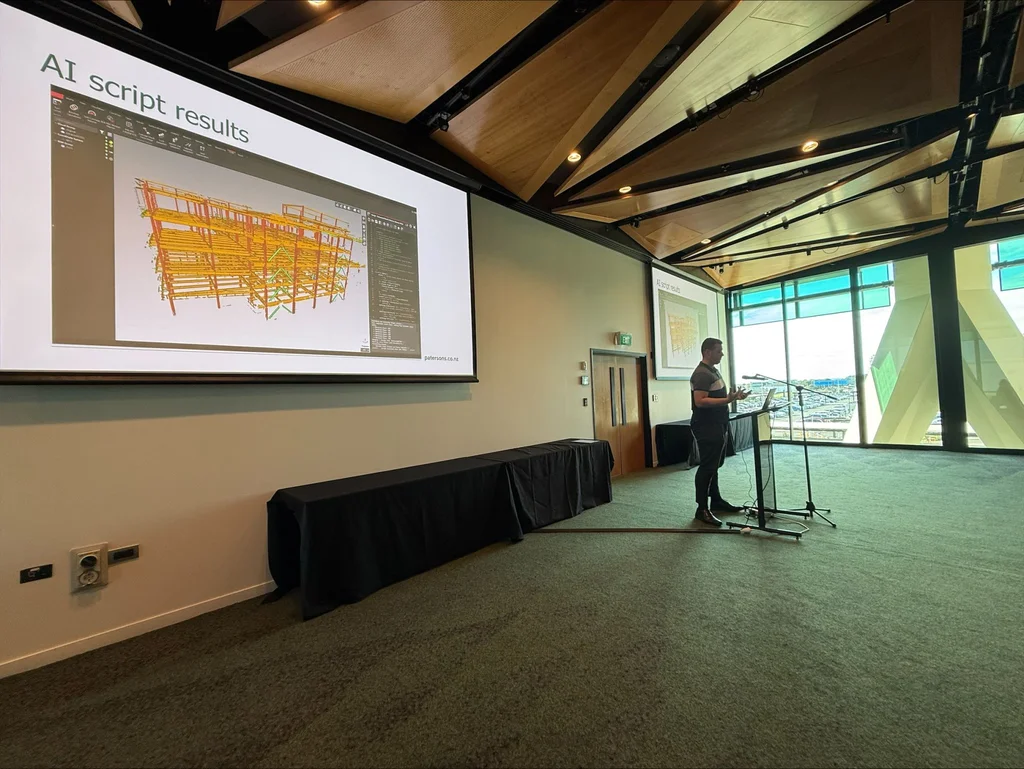
How a construction firm starts
- Start with one document. Pick the piece of paperwork that annoys your team most and automate that. It is cheap, it proves the point in a fortnight, and it tells you whether the rest is worth doing.
- Train the people who do the paperwork. Half a day with your project managers, estimators and administrators is usually worth more than a tool nobody was shown how to use.
- Then connect the systems. Once you know what is genuinely useful, the builds that link your accounting, job management and document storage are worth the money.
Full detail on how engagements run is on the services page, and the comparison guide covers how this stacks up against hiring or using an agency.
The ones we actually get asked
Talk it through with someone who has done it before
Every engagement starts with a free strategy call. Bring the process that annoys you most and we will tell you honestly whether AI helps - including when it does not.
Last updated 7 September 2026