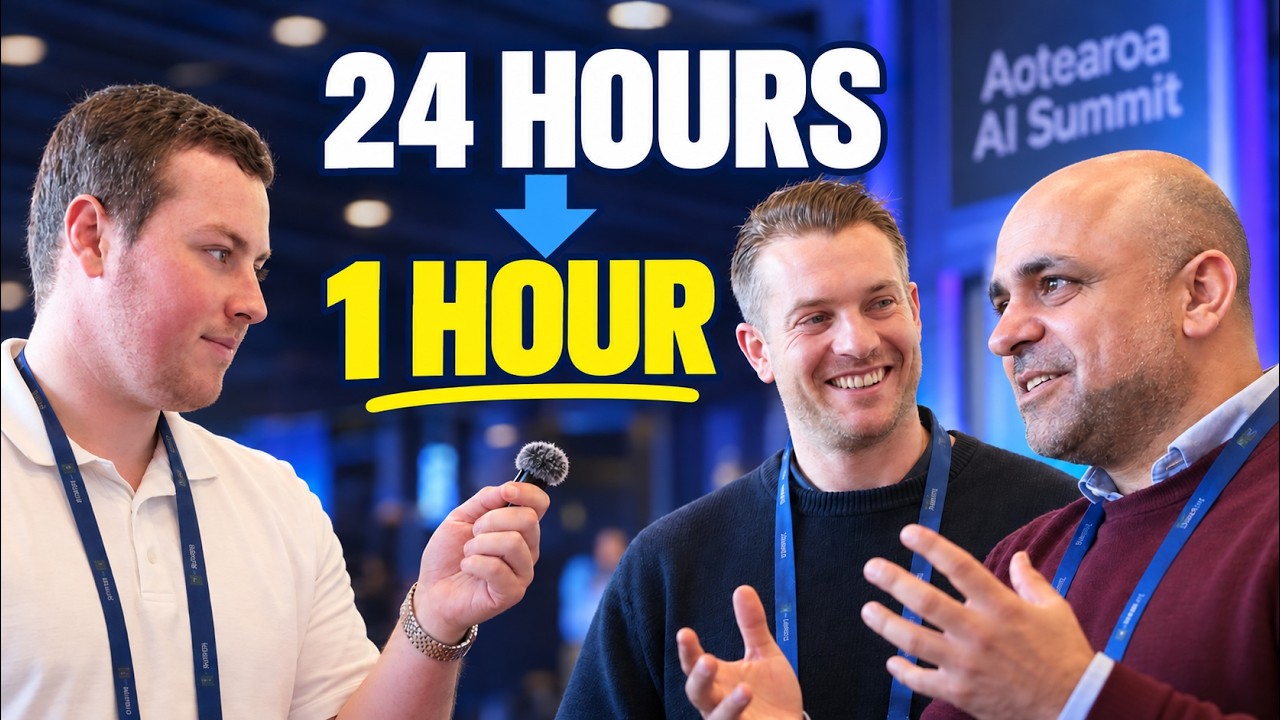
On Friday 4 September 2026 I gave the opening talk at the Whale Watch Kaikōura Wānanga Day: AI for Beginners, what it actually is and how it gives you time back. It meant a two and a half hour drive up from Christchurch the night before, a hotel room, and an early alarm.
Then, right after my presentation, I sat down, opened my phone, and the top notification was that GPT-6 had come out. Good timing. Here’s how the day went, what I told the team, and what that launch means for small New Zealand businesses.
Why is a long drive my best thinking time?
The hard part of a lot of these talks is the travel. But I’ve come to like it. Keeping up in AI is relentless because it moves so fast, and when you’re stuck on a two and a half hour drive there isn’t much else you can do. Sometimes I drive with no music at all, and it gives me real clarity to think about what I’m doing rather than just reacting day to day.
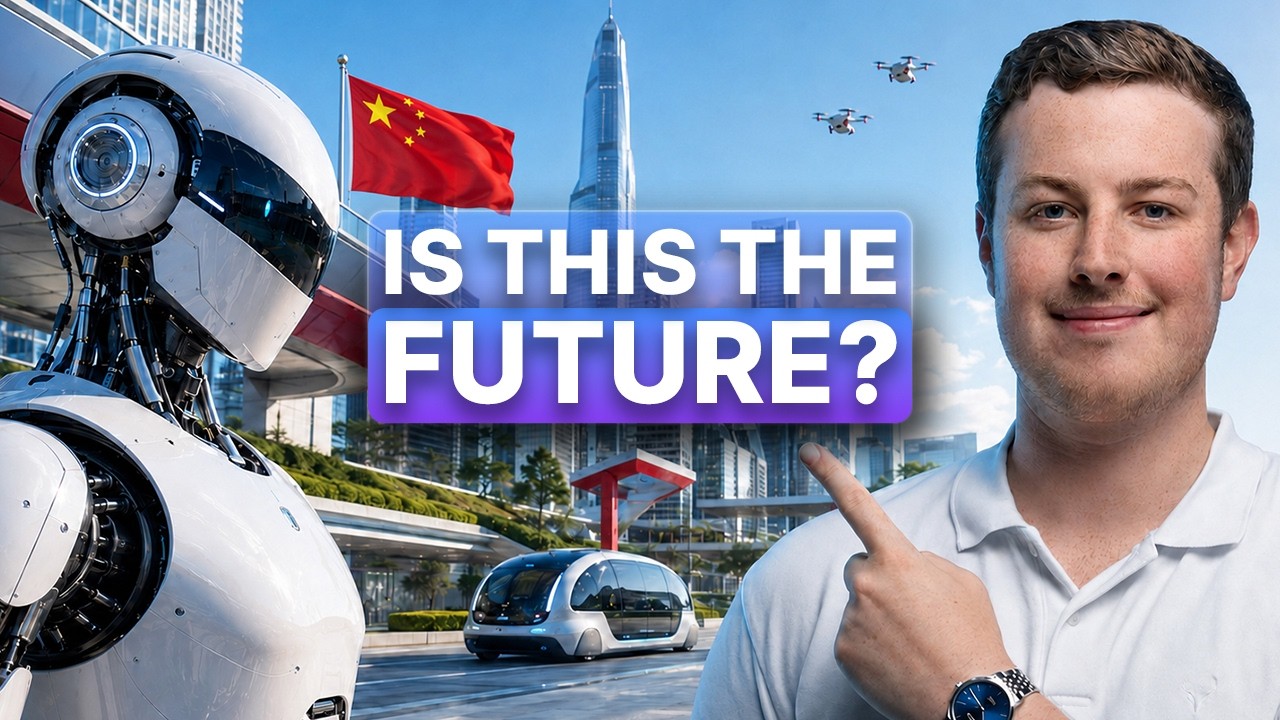
The hotel room had its own Amazon Alexa - play music, set my alarm for 6am, check the weather. Handy, but not quite as techie as the hotels we stayed in on the AI Forum trip to China, where the room controls the heaters, the blinds and everything else. More on that in I spent 7 days inside China’s AI revolution.
What did I tell the Whale Watch Kaikōura team?
The talk was built around three things to take away:
- What AI actually is. Pattern recognition. A tool like ChatGPT or Claude is picking the most likely next word, over and over. It’s sharp and tireless, it will sometimes be confidently wrong, and it knows nothing about you until you tell it - think of it as a new crew member on their first day.
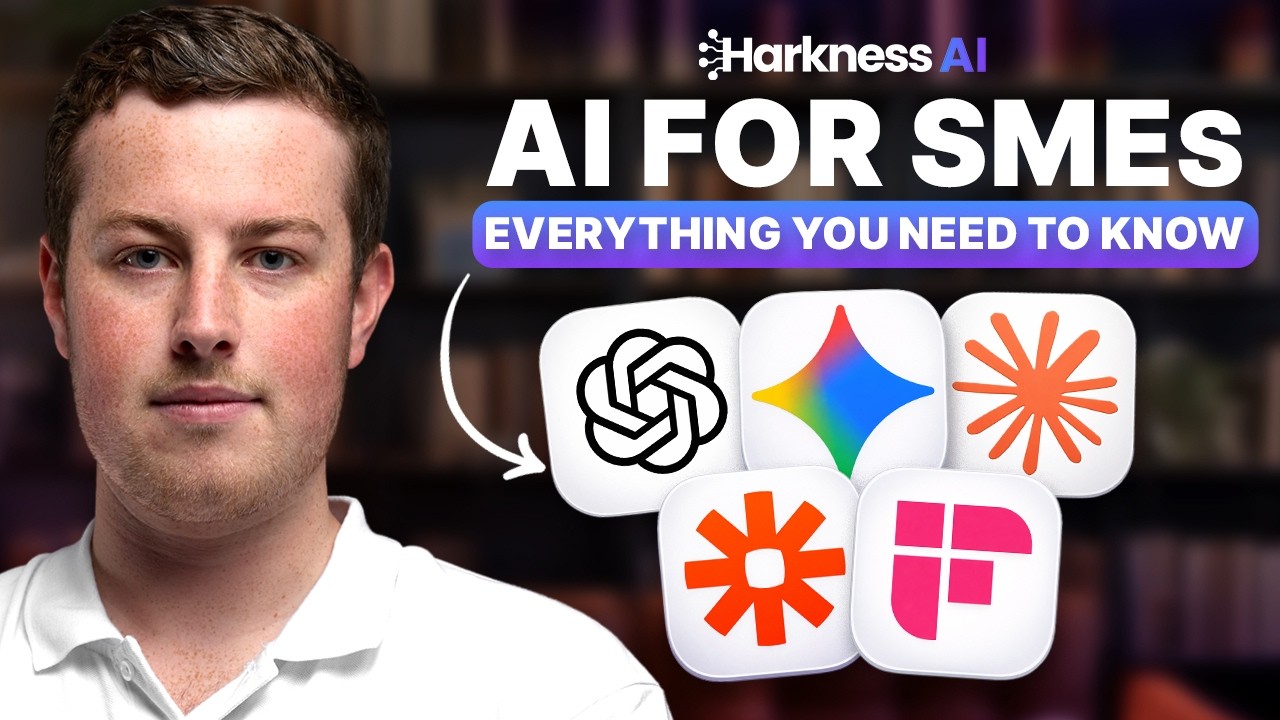
- What it looks like doing real work. It stops being a chatbot once it can reach the software you already use. I showed recorded demos of Claude raising an invoice in Xero from a plain-English request, turning a photo of handwritten notes into a spreadsheet, and working inside Excel. The full Xero setup is in automate your accounting in NZ with Claude and Xero.
- Your visitors are asking AI. Travellers increasingly ask an AI tool what to do in Kaikōura instead of scrolling search results, and it is already answering questions about local businesses. What gets you recommended is being talked about across reviews, lists, YouTube and Reddit - the same ideas as GEO for NZ businesses.
The homework was simple: look back at last week, pick the most painful job you had to do, write the steps down on paper, and start there.
What does GPT-6 change?
One of the comments on OpenAI’s announcement said “welcome to the AGI era”. The main reason people are excited is its computer use score on the benchmarks, which is insane. By the look of it, almost anything you can do on a computer, you can now get it to do.
We’d already seen a bit of this - Claude in Chrome was really good. But complete computer control is risky. A lot can go wrong if you give an AI full access to everything with no limits, so the setup matters as much as the model. I covered the same trade-off with Google’s version in Gemini browser control first impressions.
Is the 24/7 AI employee finally real?
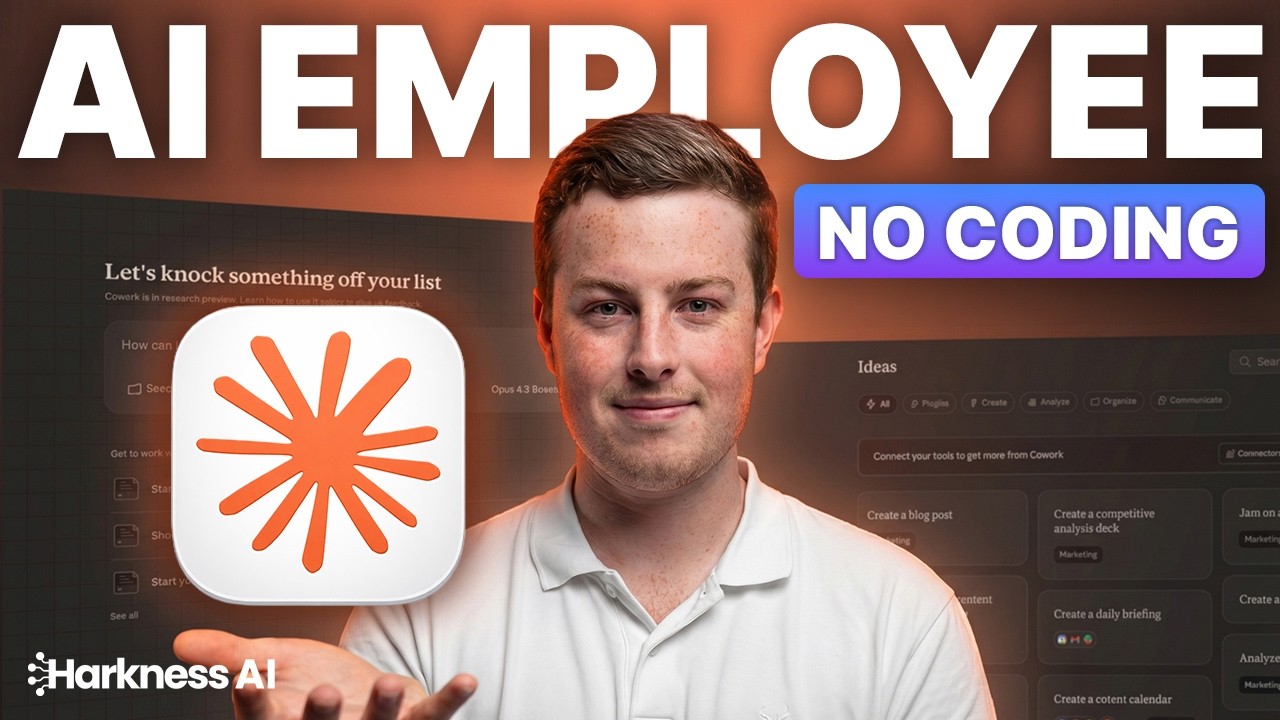
Picture a separate computer running all day, with an agent working on it as almost a 24/7 employee. That’s what AI was promised from the start, and we haven’t really seen it until recently: real use cases that work without a lot of human checking and verification. GPT-6’s computer use pushes that a lot closer. If you want to see where it’s already practical today, I walked through it in turn Claude into a full-time employee for your business.
Why will small businesses get there first?
Small and medium-sized businesses can adapt and adopt this quickly. One owner decides, tries it, and keeps what works. Once you have 50-plus staff, it is very, very difficult to keep up with this rate of change and actually get the value. That’s a real advantage for small towns and small teams like the ones I work with, as long as they start.
When do I say no to an AI project?
On the same trip I talked through a lead with an orthopaedic surgeon who runs several practices, with a few big projects in mind. Anything involving health data carries a huge security and compliance load, and I’m not at the scale or stage right now to handle that properly. So I passed him on to other contacts who can. Knowing where your line is matters as much as knowing what AI can do.
Days like this are one of my favourite parts of the job: getting out of the city and working with businesses all over New Zealand. If you want the same kind of session for your team, wherever you are, get in touch.