At the Aotearoa AI Summit in Wellington this month, I grabbed a mic and asked 12 people from across New Zealand’s AI scene the same question: what is actually working with AI right now? Founders, a CTO, a tech journalist, consultants, educators and a data scientist. Then I threw each of them a wildcard - their worst AI fail, their most controversial take, the biggest misinformation they’re seeing.
The short answer: the wins that stood out were narrow. AI grounded in a business’s own data, expertise or methodology, pointed at one specific process. The fails came from not checking the output, or letting something run with no limits. Here’s everything they told me.
What are NZ AI leaders actually using AI for?
Every guest got the same opener: what’s a recent win you’ve had with AI, yourself or with a client? I’ve grouped the answers by the kind of work they replaced.
A 16-24 hour engineering job done in about an hour
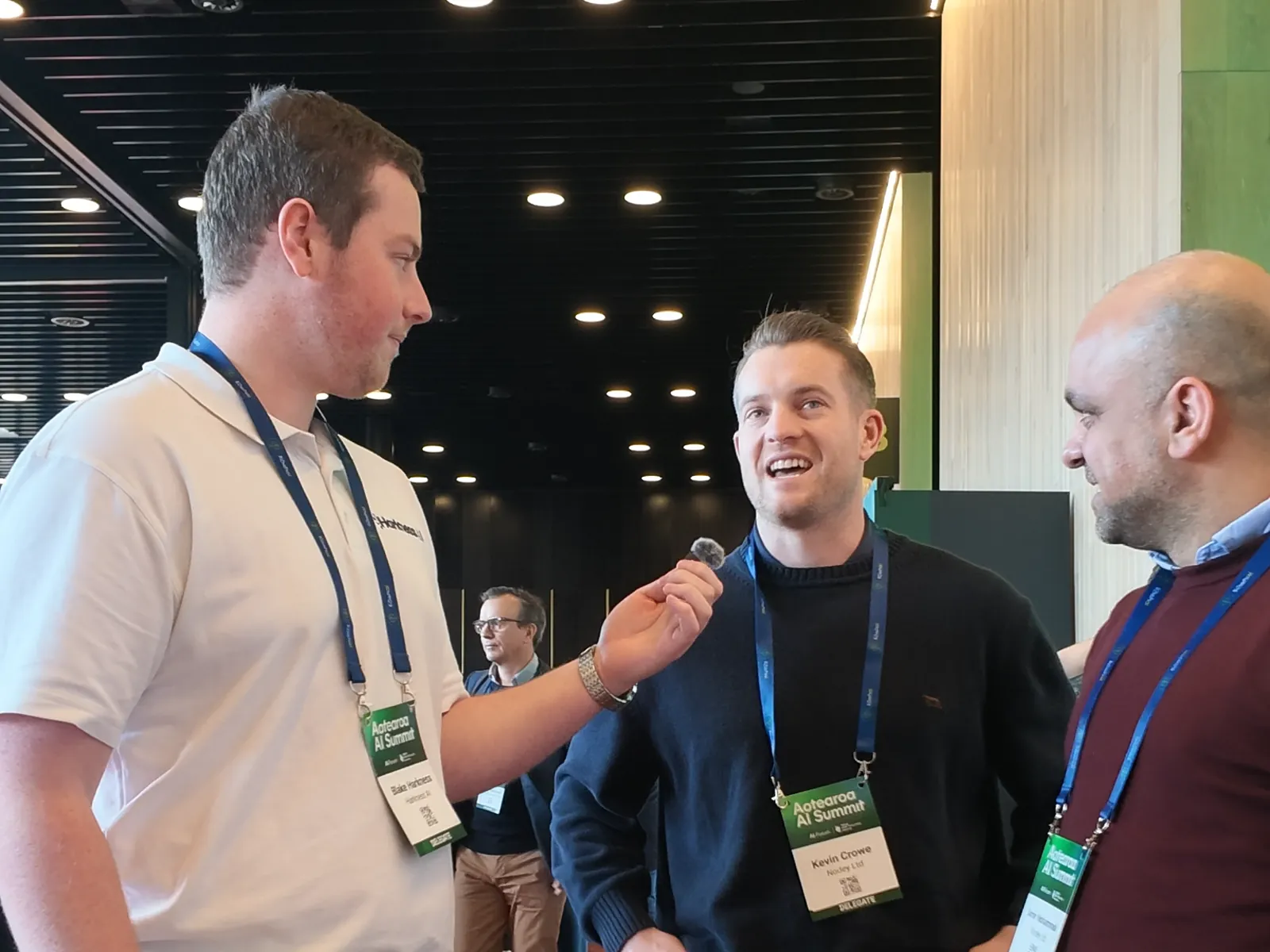
Kevin Crowe ran a structural engineering firm and hired Amir Mohammadi to build AI systems for it. Amir’s pitch to him was simple: “What’s your dream app? Describe it to me, I can build it for you.” Out of that came Nodey, which they started almost a year ago.
Nodey does a full three-storey residential design. You draw the building on a canvas and it does all the calculations for you. Kevin’s numbers: an hour max, for a job that used to take probably 16 to 24 hours. It was the biggest time saving anyone gave me all day, and it came from an expert who knew the problem inside out pairing up with someone who could build.
A CEO briefing grounded in the real business
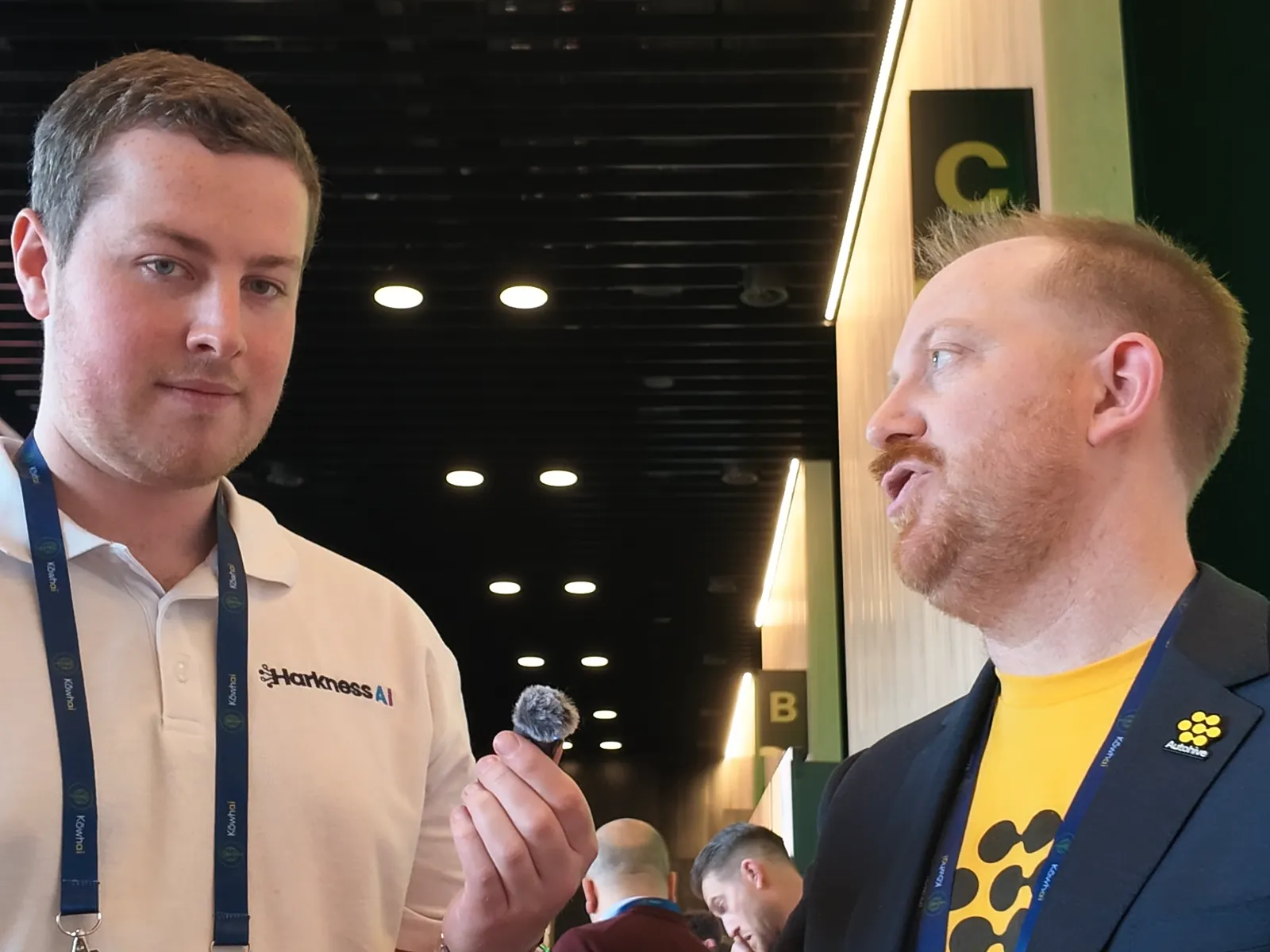
John-Daniel Trask - everyone calls him JD - is co-founder and CEO of Raygun and Autohive. His favourite use case is an assistant he built for himself as CEO. It’s a multi-agent setup that mines all the data in the business, the finances, product conversions and everything else, and gives him a daily briefing each morning. He works with it to identify the biggest limiting factors to growth.
The key point he made: it has a deep understanding of him and the company, which is “a big difference from just a generic chat”. It’s grounded in the reality of the business.
Turning someone’s expertise into a system
Lian Passmore, an AI strategist and product builder at dreamstorm, is working with a marketing coach to turn her IP into a marketing engine for her clients. Each client’s business context gets combined with the coach’s methodology laid over the top, and Lian said it’s produced some really good results in their pilot.
Cleaning up messy, repetitive processes
- Email chaos into Copilot. Mike Bayly, founder of The AI Corner and Allexive, had a client team running a process entirely over email, with around 17 email threads popping up every other day. They moved it into Copilot to make it more multiplayer so everyone could see what was happening, then built agents to automate part of the process and reduce the handoffs.
- Sales and purchase documents. Jasper Irvine, founder of Plain Logic, has been generating sales and purchase documents - simple work that could take someone half a day to a day. It had been tried before, but with a better system and more context going in, it’s now a super simple task.
- A chief of staff for event day. Grant Verhoeven from Sparked had two events on the same day, a Fusion5 event and the summit. He got AI to break down the day and work out where he needed to be, which sessions to go to, and a paint-by-numbers plan against his own goals and objectives. His verdict: “It’s like my chief of staff.”
Rebuilding a website in a couple of hours
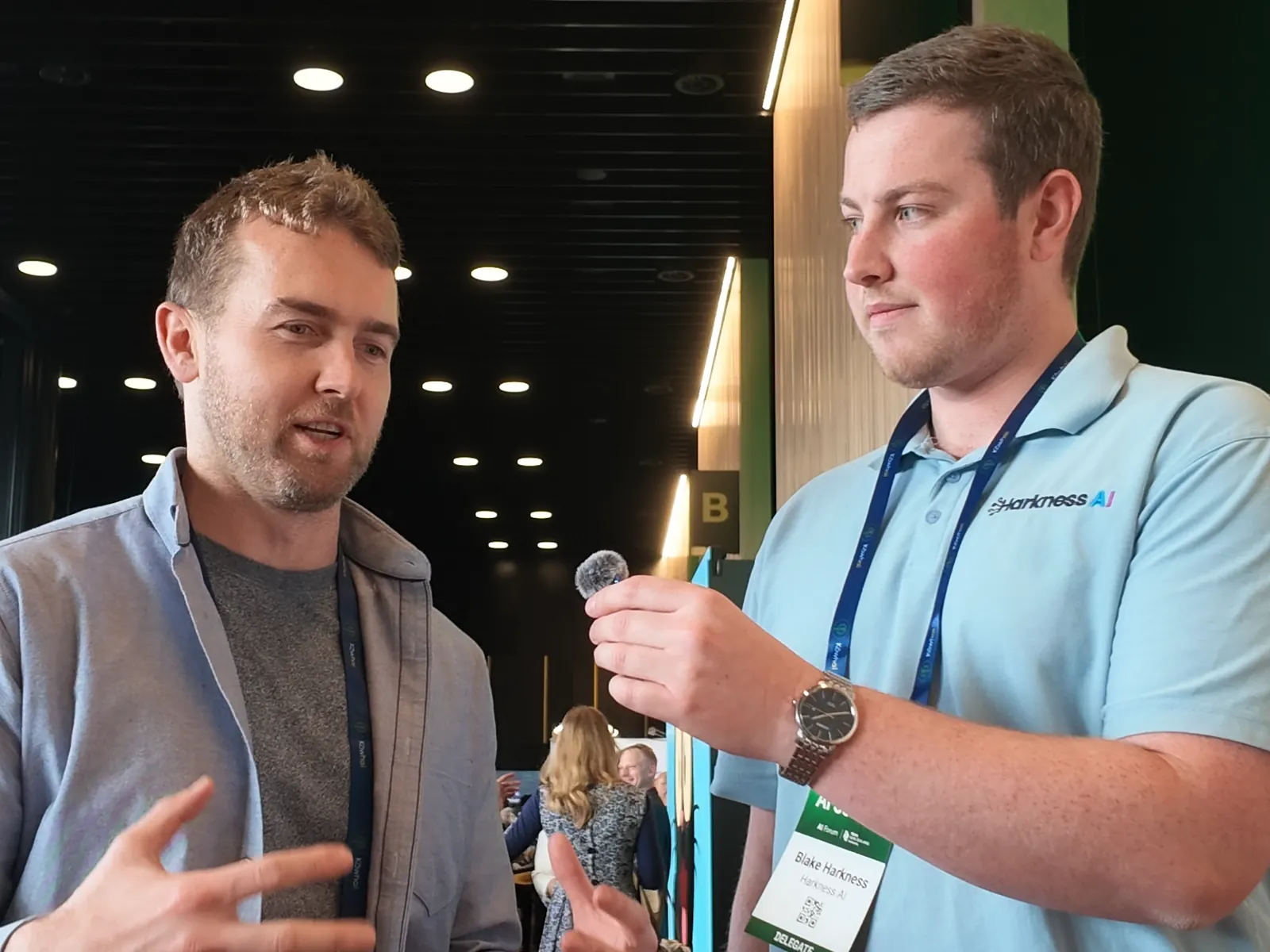
Peter Griffin, technology columnist for BusinessDesk and host of The Business of Tech, decided for the first time in about 10 years that his web presence needed a complete revamp. His old WordPress site had 4,000 articles on it. He used Replit to vibe code the new one, got it to look at his old site and pull across all his content, and within a couple of hours had the bare bones of his entire new web presence. He says he’s now getting a lot more queries through the site.
Getting teams onto the tools, properly
- Ed Davidson from N16 Consulting has been enabling and educating businesses to get onto tools like Claude and AI workspaces: saving hours a week, connecting to their tools and automating the dull tasks in their day. In his words, “the benefits are pretty uncapped at the moment.”
- Ming Cheuk, co-founder and CTO of ElementX, works with enterprise clients in tightly controlled, compliance-heavy environments. In Ming’s view, people using copilots should be the basics. The real value is building infrastructure and platforms so other people in the organisation can build custom AI capability, while keeping IT security, compliance and change control intact.
- Caelan Huntress, an AI educator with AI Coaching Academy, recently ran two consecutive all-day workshops in Queenstown. At the end, the group said they felt like they’d gone 5x in their AI capabilities.
Computer vision for the environment
Not everything is a chatbot. Michael Stanley works at Lynker Analytics, an AI-first company using computer vision to solve environmental problems. They’ve identified endangered plant species, they’re currently identifying drain blockages across Auckland, and Michael has done a lot of work with fisheries - estimating fish length and fish counts on board commercial fishing vessels.
What do the best AI wins have in common?
Context, and a specific job. JD’s assistant works because it’s grounded in the business’s real data. Jasper’s documents only worked once more context went in. Lian’s engine combines each client’s business context with a proven methodology. Nodey exists because a structural engineer knew exactly what the tool needed to do.
Nobody told me they’d “rolled out AI” across the business. They picked one process and made AI genuinely good at it. That’s the same reason I set clients up with Claude connected to their own tools rather than a blank chat window - more on that in why NZ businesses are leaving ChatGPT for Claude.
What goes wrong when you use AI?
I asked a few guests for their AI fails, and threw one of my own in.
- The overnight token bill. Caelan had an agent loop go off the rails. It kept going and didn’t stop overnight, and the result was a very surprising token bill the next morning.
- The half-price proposal. My biggest one was sending a proposal out at half the cost. I just had to deliver it at that price - my mistake. The lesson: always verify your AI outputs. I still use AI for this (here’s how I automate client proposals with Claude), but verify the numbers before anything goes out.
- The coffee machine. Grant was using AI to make sure he didn’t overbid on a coffee machine on Trade Me, and ended up in a full argument with it while the bidding was going on. He lost in the very last bid. “It told me to stop.”
The fixes are boring but they work: check anything with a number in it before it leaves the building, and put limits on anything that runs unattended.
Should your employer give you unlimited AI tokens?
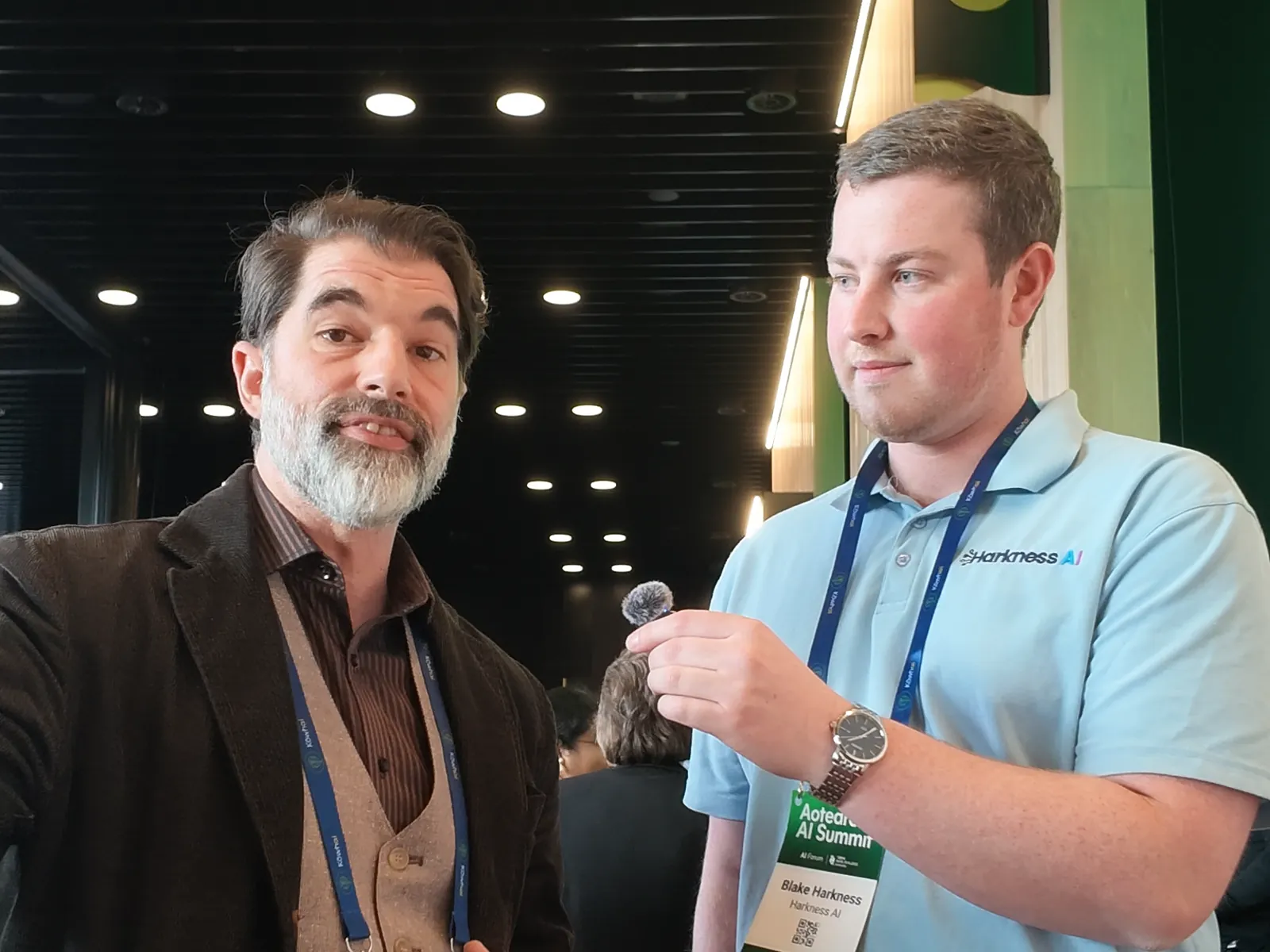
I asked JD for his most controversial take on AI in New Zealand. He didn’t hold back:
“If you are working in a company that is not more or less giving you unlimited tokens, you should quit.”
His reasoning is that those companies are destroying your ability to get employed in future. He went as far as saying you should almost file a personal grievance if your employer isn’t investing in AI, because they’re doing you a terrible disservice. Whether or not you agree, it’s a clear signal of how seriously some NZ tech leaders take AI skills for staff.
What is the biggest AI misinformation in NZ right now?
For Peter Griffin, it’s data centres. He’s seeing groups pop up all over the country - really strong-willed people spreading misinformation about how much energy data centres use, how much water they use and what the environmental impact is going to be.
He doesn’t let the industry off the hook either. In his view it now has a job to do in being more transparent about where it’s putting data centres, what their actual carbon footprint is, and how much energy they’re going to consume.
How is New Zealand doing on AI adoption?
Jasper and I were on the same page here. There’s a lot of room for businesses to understand the role AI plays, and it’s not about just throwing tools at people. We’ve got a long way to go, but in his words, it starts with one step at a time: get a realistic picture of where you’re at and take the first step, rather than shooting for the moon right from the start.
What were the biggest takeaways from the Aotearoa AI Summit?
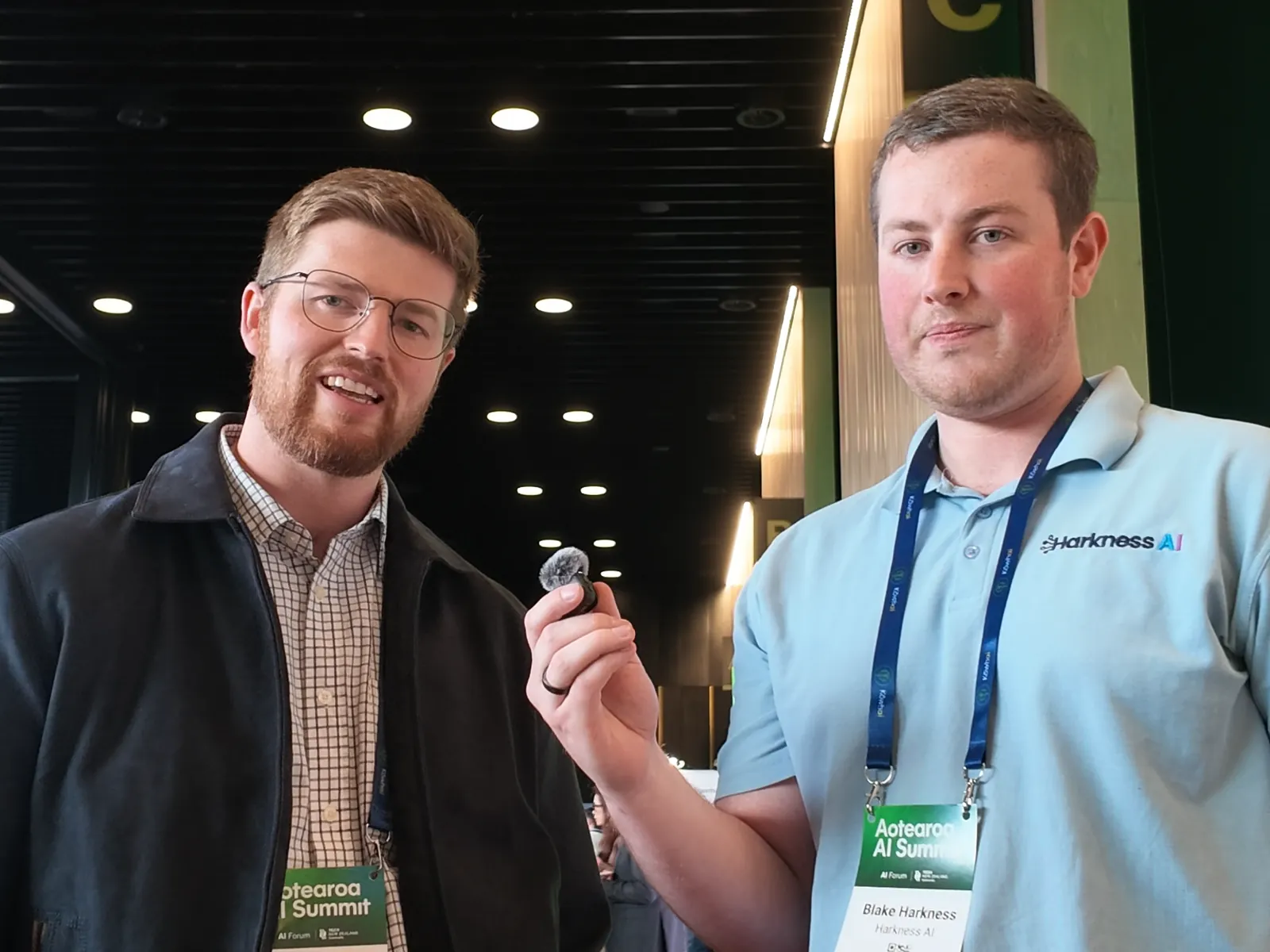
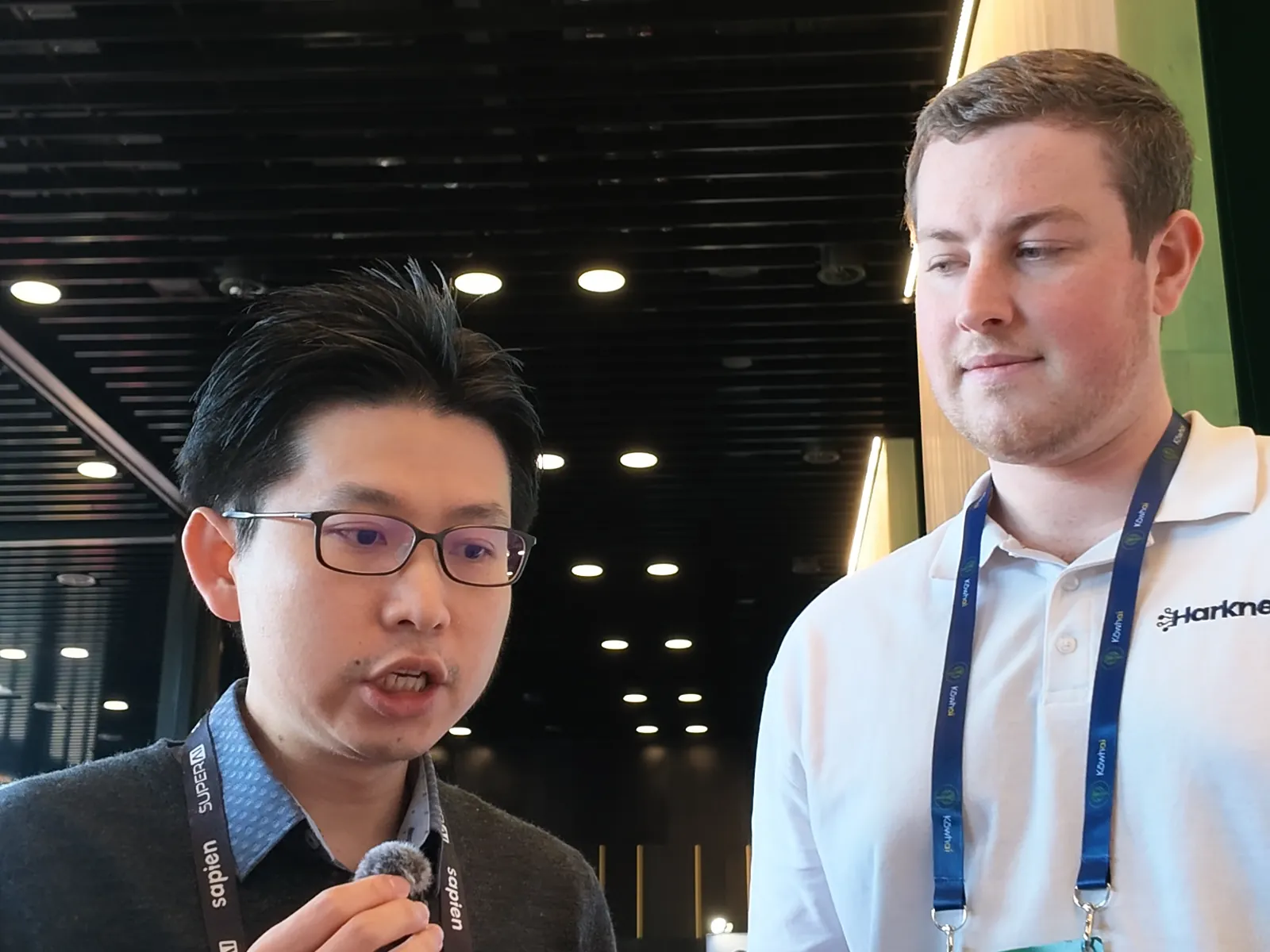
- Ming: hearing from people who aren’t software engineers and how they think about and use their tools. It keeps coming back to the people, and how we change the way we work as we bring in AI agents almost as digital employees.
- Lian: evaluation. Lian had already been doing a little of it, but came away planning to systemise it, and built an agent fleet for quality assurance and auditing. For the marketing work, that means a gold standard to measure the AI’s output against, while accounting for gaps in the information the end client puts in.
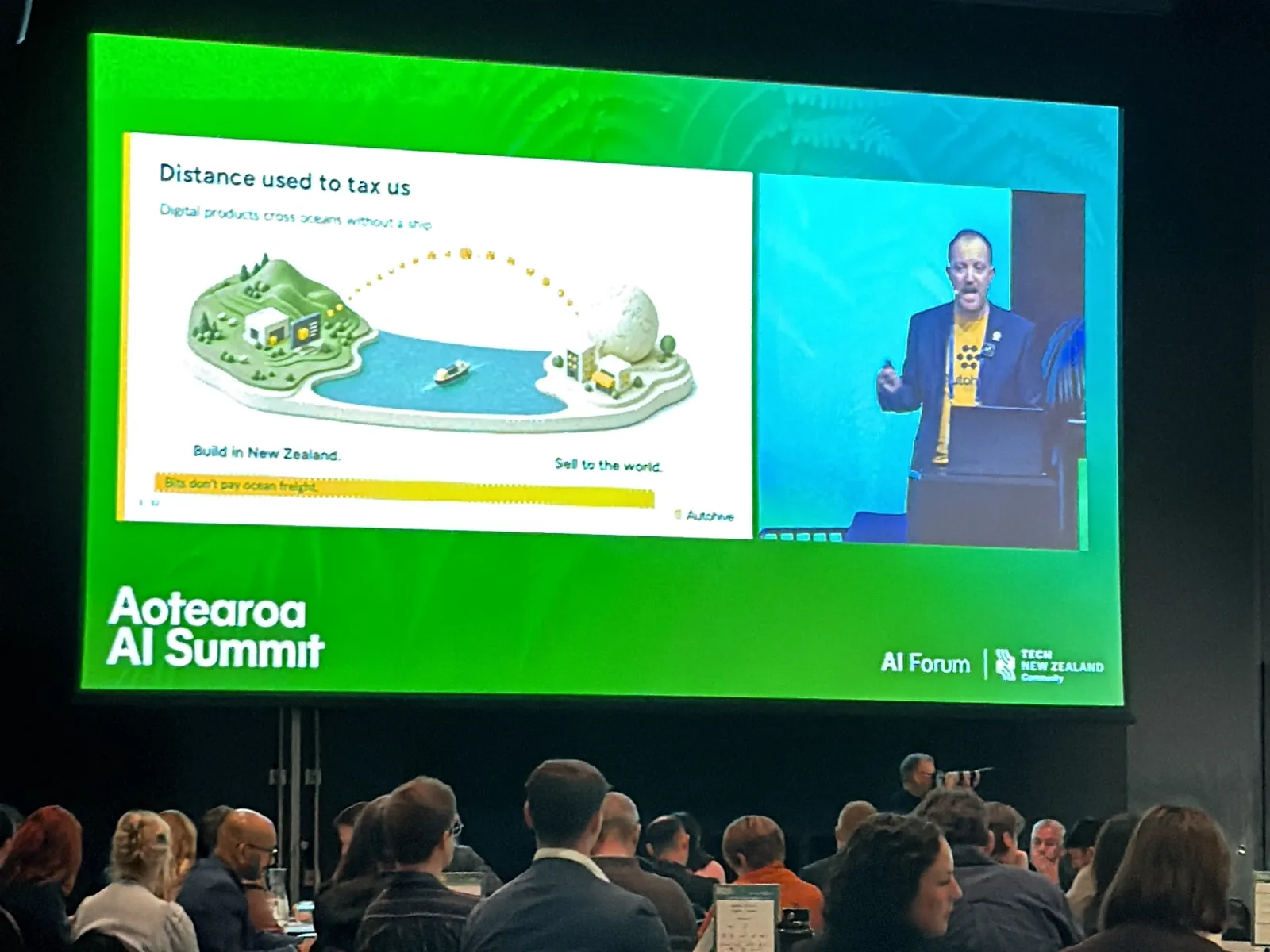
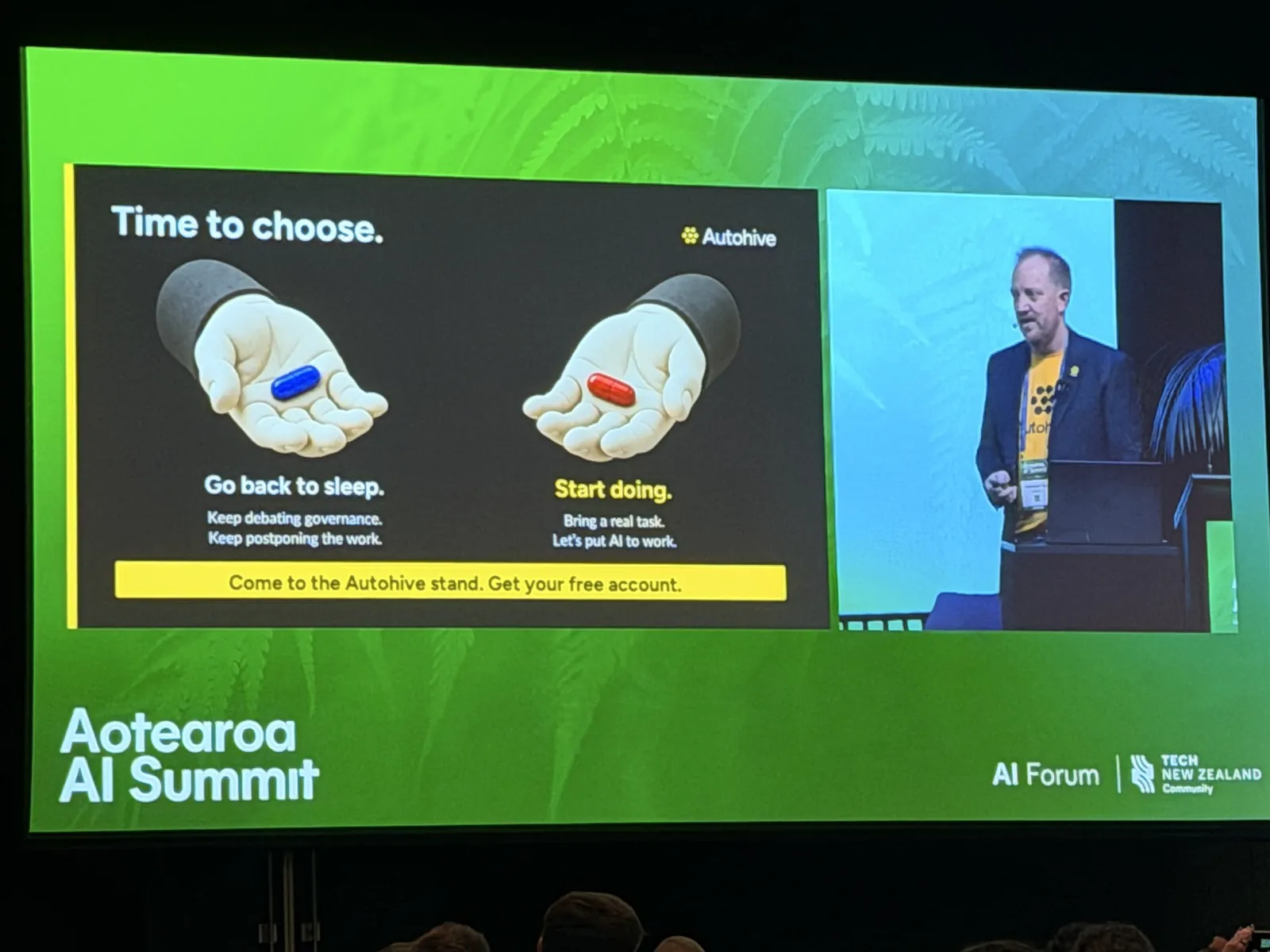
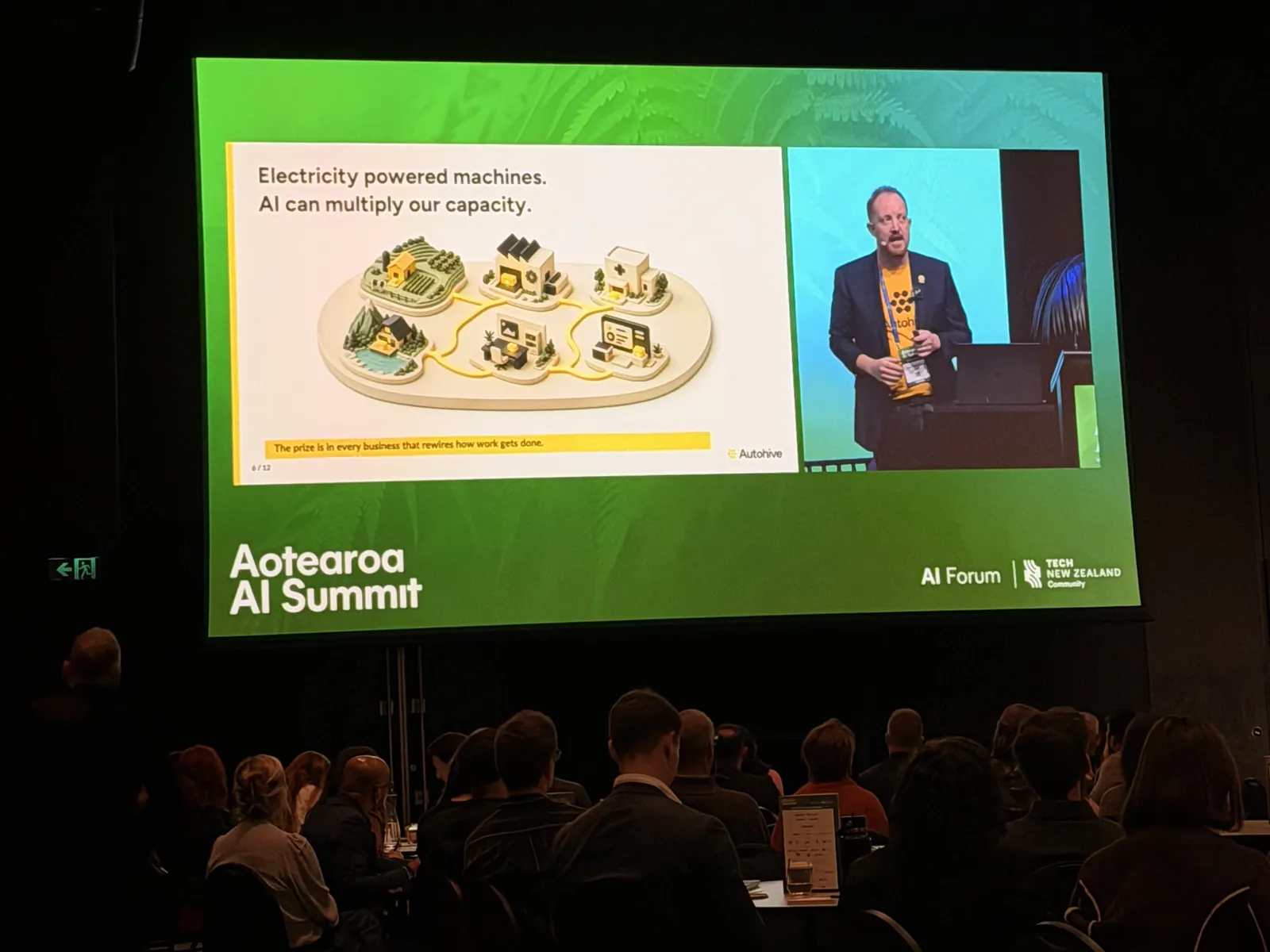
- Michael: the Autohive presentation. A different perspective on how to deploy AI in New Zealand, driven by outcomes and how to grow the NZ economy with AI. His summary: focus on getting things done rather than talking about it. (If you haven’t seen Autohive, here’s my tour of building no-code AI agents with Autohive.)
What should a NZ business do with this?
Pull the 12 answers together and the playbook is pretty clear:
- Pick one process. A document you produce over and over, an email-heavy workflow, a daily report. Not “AI” in general.
- Give AI your context. Your data, your methods, your standards. That’s the difference between a generic chat and something that actually knows your business.
- Check the outputs and set limits. Verify anything with a number in it, and don’t leave agents running with no cap.
- Measure it. Once it’s running at any volume, build in evaluation against a standard you trust, the way Lian is.
- Take the first step. Get a realistic picture of where you are, then start. Don’t shoot for the moon.
If you want help with that first step, that’s exactly what my Claude setup for NZ businesses is for. And if you want to hear all 12 answers in their own words, the full video is above.