Vaka Ō Te Tupuna: 78,000+ words of kōrero, kept by whānau
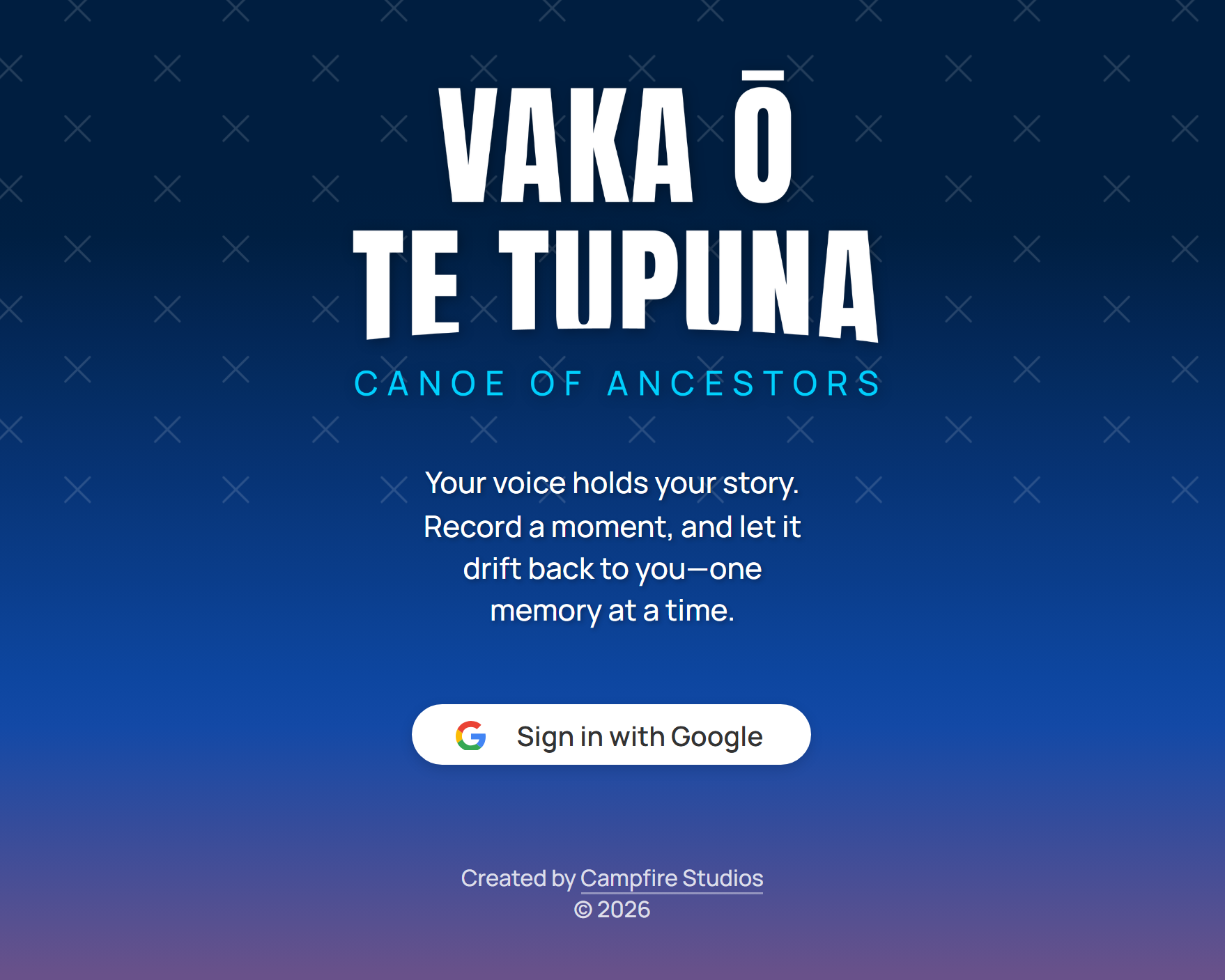
Campfire Studios, an Auckland creative studio working with Pasifika youth, runs Vaka Ō Te Tupuna, the web app we built for whānau to record kōrero with their elders: the audio saves to the family's own Google Drive, and AI has transcribed more than 78,000 words of it.
- Client
- Campfire Studios, Mount Eden, Auckland
- Industry
- Cultural heritage, for Pasifika youth and whānau
- Location
- Auckland, New Zealand
- What we did
- Web app and AI build, hosting and ongoing development, live since May 2025
Tupuna in numbers
- 78,000+words of kōrero transcribed
- 480+recordings transcribed and summarised
- 290+people signed up
- 9kōrero themes, from Language to Land
Live figures as at 19 September 2026.
The short version
- Campfire Studios wanted young people to record their elders' stories, with the recordings staying with the whānau rather than a platform.
- We built a phone-friendly web app that guides the kōrero with themes and prompt questions, saves the audio to the family's own Google Drive, then writes a transcript and a summary with a cultural lens.
- Live since May 2025, it has transcribed more than 78,000 words across 480+ recordings for 290+ people.
The problem
Elders' kōrero had to stay with the whānau, not a platform
Campfire Studios wanted young people to sit down with their elders and capture their stories for future generations, with the recordings staying with the whānau, not a platform.
It had to be simple on a phone, guide people who have never run an interview, and treat every recording as a taonga.
The solution
Record on a phone, save to the family's Drive, then transcribe
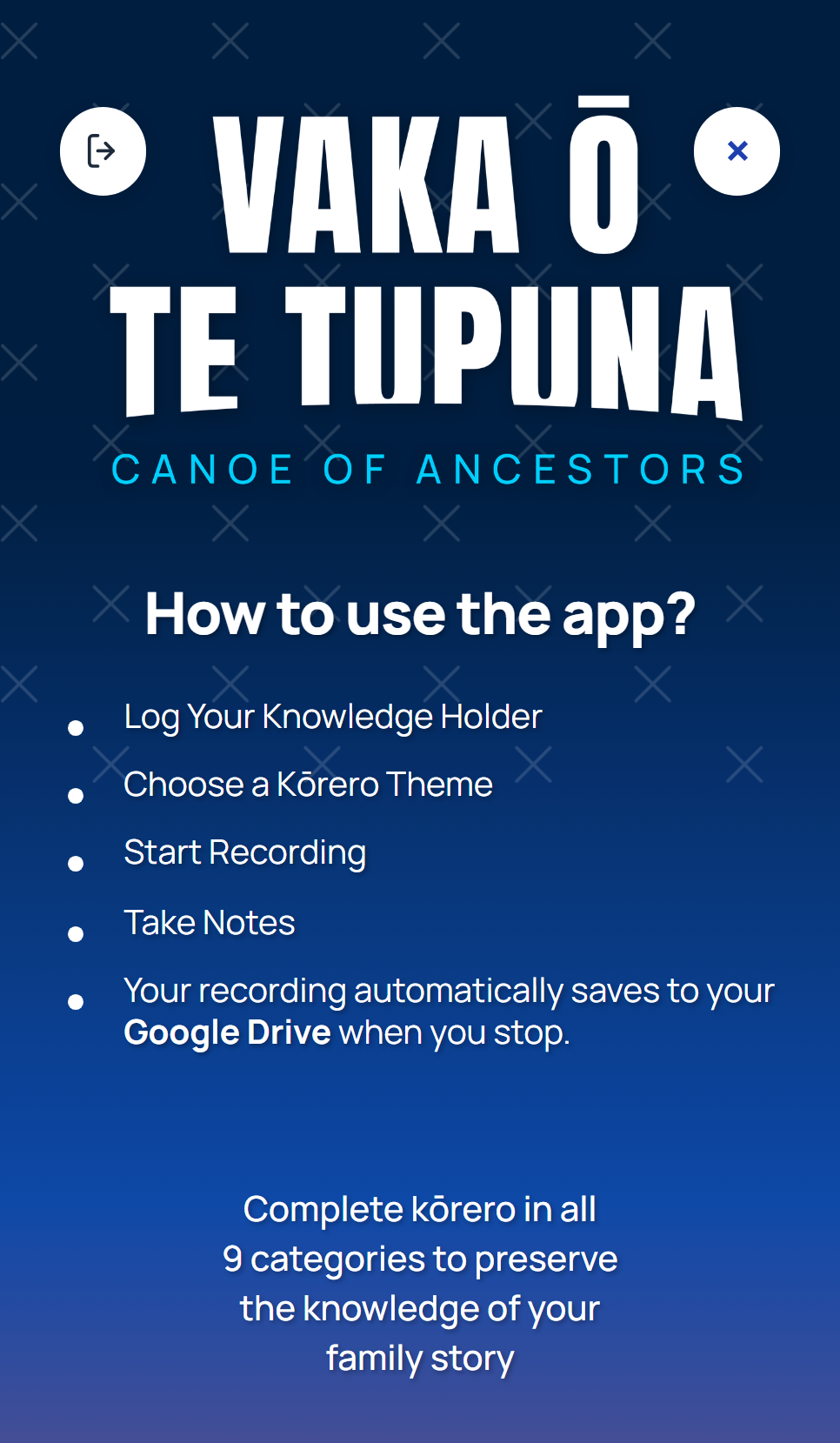
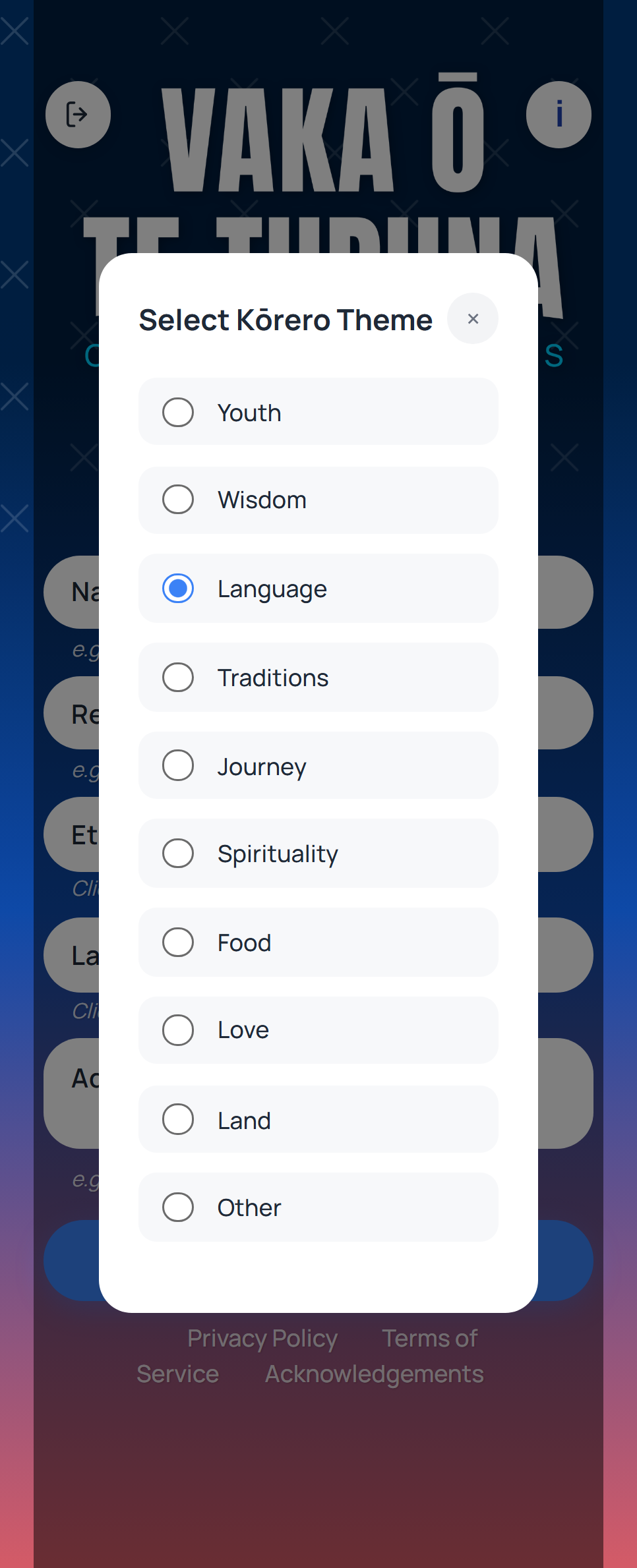
- Pick a themeNine themes from Youth to Land, each with prompt questions
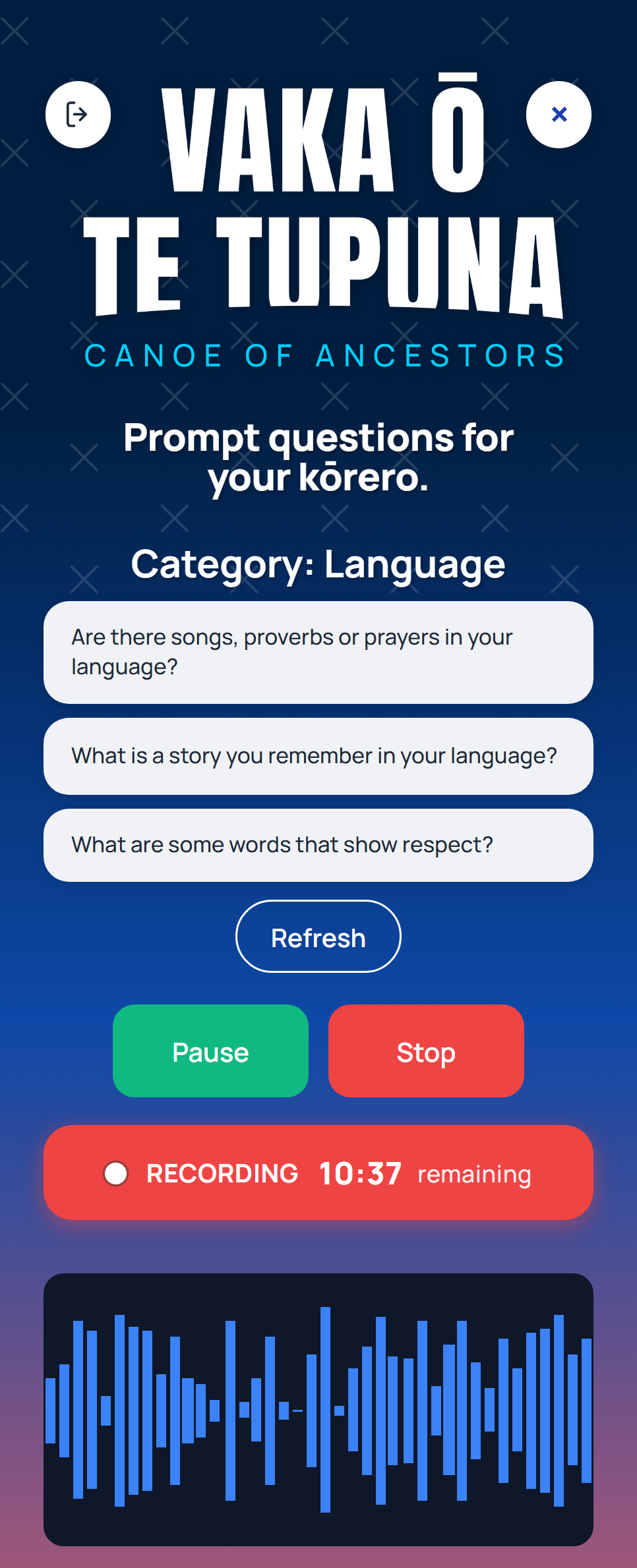
- Record the kōreroUp to 15 minutes, with pause, resume and a live waveform
- Saved to their DriveThe audio goes straight to a folder in the family's own Google Drive
- AI transcribes and summarisesWhisper writes the transcript, then a summary with a cultural lens
- Whānau keep itTranscript and summary sit beside the audio, theirs to keep or delete
The AI transcribes and summarises. It doesn't decide anything.
Themes and prompt questions guide first-time interviewers
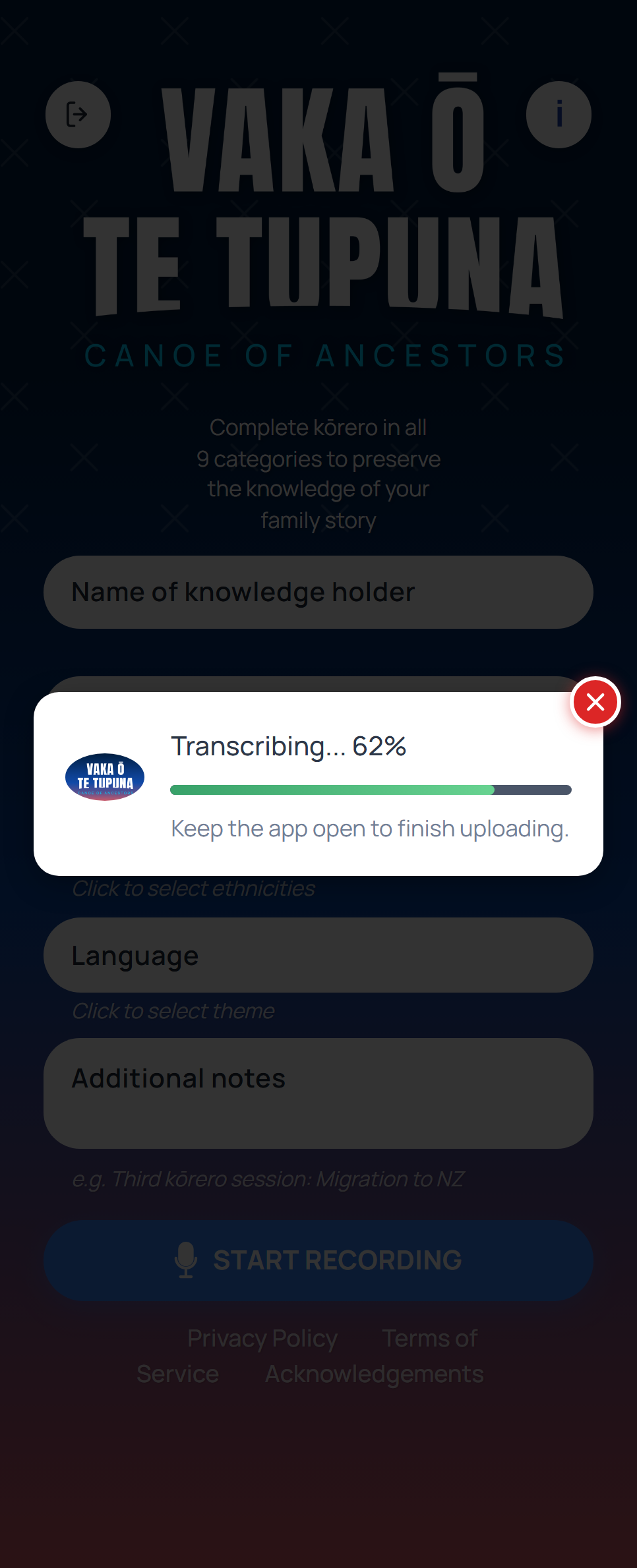
The audio lives in the family's own Google Drive, never on our servers
Recordings of elders are taonga, so the design starts from who holds them.
- Audio and photos live in the family's own Google Drive, never on our servers.
- The app can only see the files it created in that Drive.
- Whānau can move or delete anything in their Drive, any time.
- Transcripts and summaries also sit in the programme database in Sydney - and the privacy policy says so.
- AI companies' web crawlers are blocked from the whole site.
Summaries read for culture, and a dashboard for Campfire
A summary with a cultural lens
Themes, te reo Māori and Pacific language use, whakapapa, place, and reflective questions for the whānau.
A photo to go with it
After each recording, whānau can take a photo. It saves to the same Drive folder.
A dashboard for Campfire
An overview, searchable recordings with their summaries, and users, so the team can support whānau.
In their words
Blake is an outstanding collaborator.
He is exceptionally well-suited to work with businesses of any size - whether small startups or large organisations. Blake has a unique ability to identify core challenges and ideas within a company and transform them into effective solutions. His expertise in AI, combined with his excellent people skills, enables him to deliver results that are both highly functional and cost-effective.
I highly recommend working with Blake.
 Will (Viriamu) FlemingFounder, Campfire Studios
The result
More than 78,000 words of kōrero, and every recording still with its whānau
Vaka Ō Te Tupuna has been live since May 2025. By 19 September 2026 it had transcribed and summarised more than 480 recordings, over 78,000 words, for more than 290 people who have signed up.
Every one of those recordings sits in the family's own Google Drive, beside its transcript and summary. Campfire can support whānau from the dashboard without storing any of the audio.
Questions people ask
How long has Vaka Ō Te Tupuna been running?
It went live in May 2025 and has been in use for more than a year. We host it and keep developing it for Campfire Studios.
What did whānau and the Campfire team have to do?
Whānau sign in with Google on a phone, pick a theme and press record. The Campfire team runs the programme and uses the dashboard to support whānau, with no audio to store or manage.
Where are the recordings kept, and who can see them?
The audio and photos save to the family's own Google Drive, and the app can only see the files it created there. Transcripts and summaries also sit in the programme database in Sydney, as the privacy policy states, and AI companies' crawlers are blocked from the site.
How do we start something similar?
Tell us whose knowledge you want to capture and who should hold it. We design the app around that answer first, then add the AI that transcribes and summarises.
More case studies
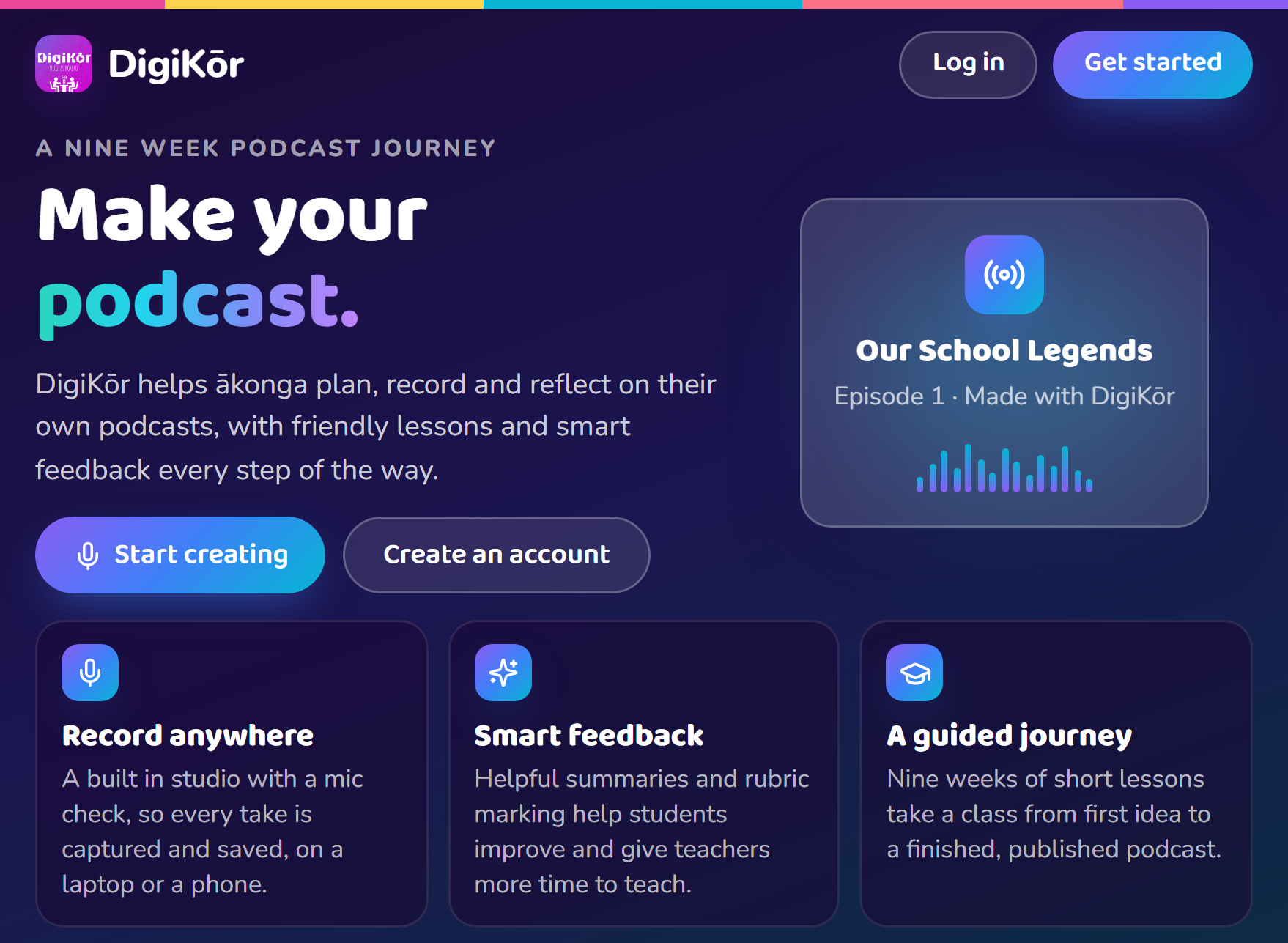 Education platform
DigiKōr: AI does the admin across 18 schools, teachers decide
Podcast learning platforms for NZ schools where AI transcribes, summarises and drafts NCEA marks for 226 students across 18 schools, and teachers confirm every decision.
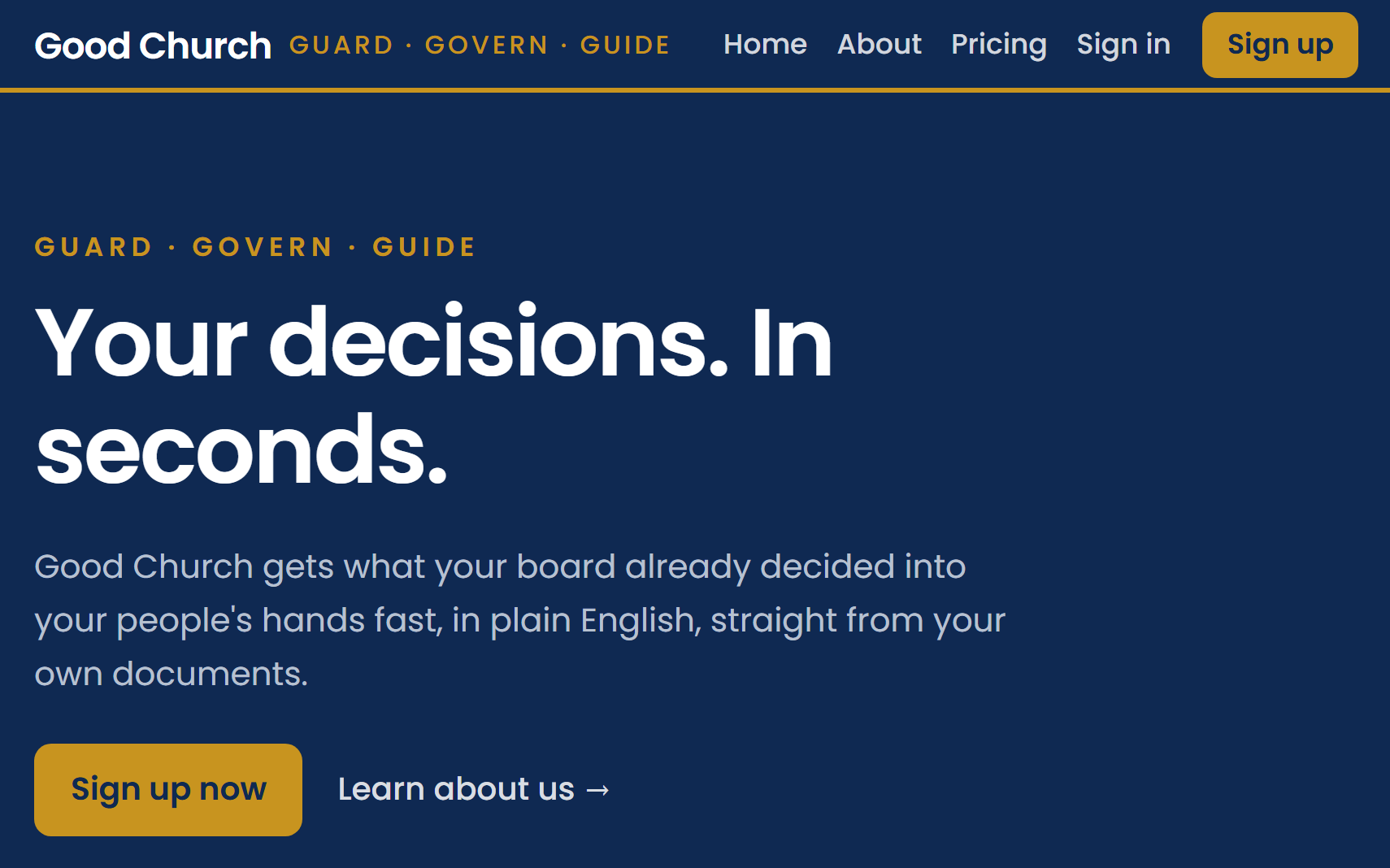
 AI platform build
Good Church: from MVP to public sign-up in about four weeks
Took an AI governance advisor for NZ churches from a single-user MVP to public sign-up in about four weeks: per-church documents, cited answers, law-change monitoring and safeguarding alerts.
Working with cultural knowledge?
Oral histories, language, taonga. We build tools that capture them carefully and keep them with the people they belong to.
Last updated 29 September 2026