DigiKōr: AI does the admin across 18 schools, teachers decide
Campfire Studios, an Auckland podcast and film studio, runs DigiKōr and DigiKōr+ for New Zealand schools, and the platforms we built for it let AI handle transcripts, summaries and first-draft NCEA marks for 226 students across 18 schools while teachers make every call.
Finalist - Te Ao Māori & Pasifika AI, 2026 Aotearoa AI Awards
- Client
- Campfire Studios
- Industry
- Education and podcasting
- Location
- Mount Eden, Auckland
- What we did
- Design, build, hosting and ongoing development of DigiKōr and DigiKōr+
DigiKōr in numbers
- 18schools using DigiKōr
- 226students enrolled
- 17,578pieces of student work submitted
- 5NCEA Level 2 credits on offer
DigiKōr platform figures as at July 2026.
The short version
- Campfire Studios wanted its podcast programme in many New Zealand classrooms, and every week of student recordings and written answers meant more admin for teachers.
- We designed and built two platforms, DigiKōr for NCEA secondary students and DigiKōr+ for Years 1-8, where AI transcribes recordings, summarises them and drafts NCEA marks from the student's own answers.
- By July 2026, 226 DigiKōr students in 18 schools had submitted 17,578 pieces of work, teachers confirm or override every mark, and both platforms are 2026 Aotearoa AI Awards finalists.
The problem
More classrooms meant more marking and admin for teachers
Campfire Studios is a Mount Eden podcast and film studio built around amplifying Māori and Pasifika voices. Founder Will (Viriamu) Fleming created DigiKōr - digital kōrero - to build young people's confidence through podcasting.
Each week, students research, write, record and reflect. Across many classrooms that adds up to thousands of written answers and recordings, and at NCEA level each one has to be checked against the skill standard.
Campfire wanted technology to carry that admin, with teachers keeping every decision about a child.
The solution
Two podcast platforms: one for NCEA, one for Years 1-8
We designed and built both, host them and keep developing them. One approach, two age groups.
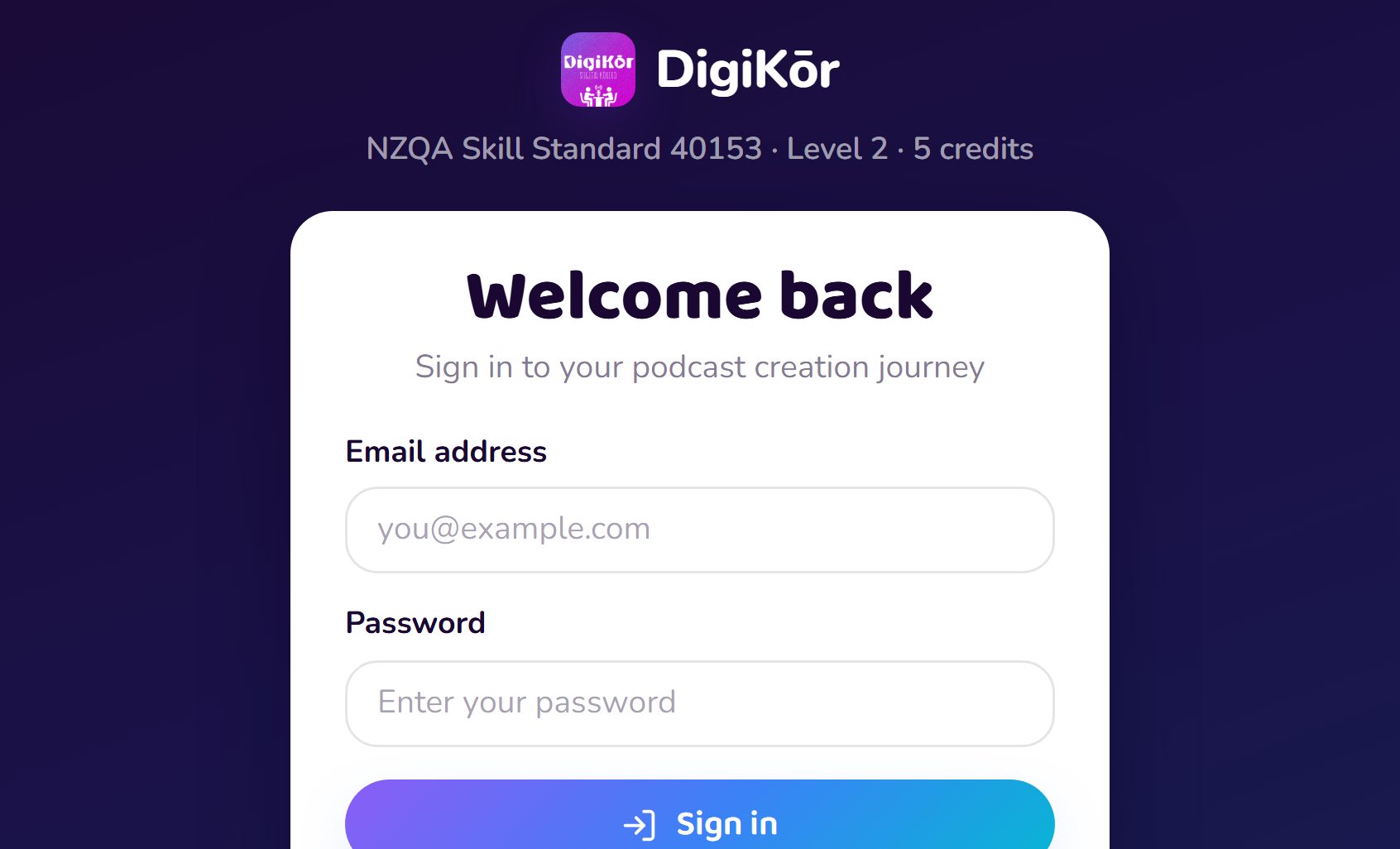
DigiKōr
A nine-week podcast course: weekly lessons, written answers and recordings. NZQA approved against Skill Standard 40153, worth 5 credits at Level 2.
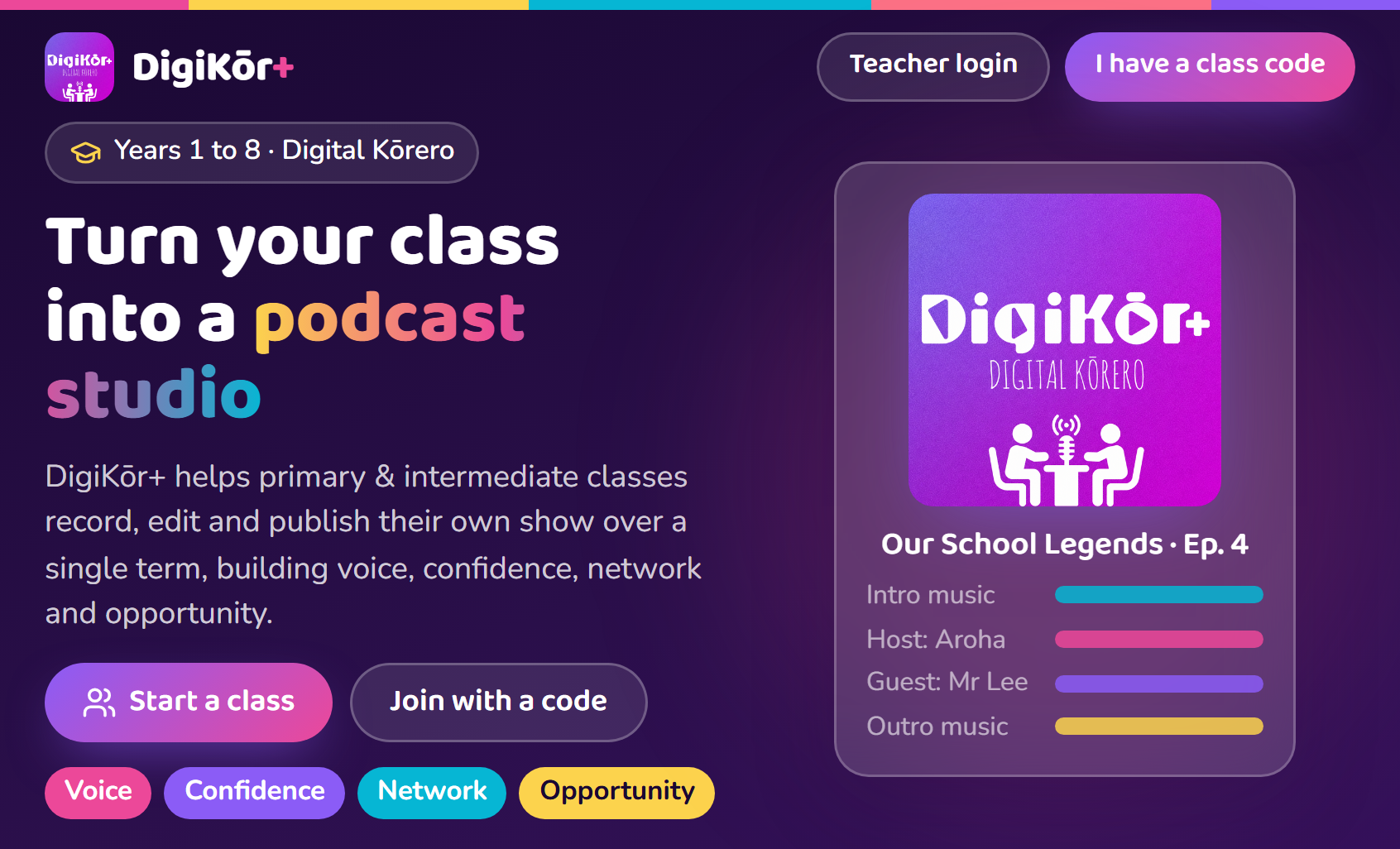
DigiKōr+
A class podcast studio. Over a 10-week programme, classes research, write, record, edit and publish their own episodes.
AI transcribes, summarises and drafts marks. Teachers decide.
Every AI feature takes a repetitive job off the teacher and leaves the decision with them.
- Students recordWeekly answers and podcast recordings, uploaded as they go.
- AI transcribesEvery recording becomes text on the server, straight after upload.
- AI summarisesA short summary from the transcript only. Unclear audio gets none.
- AI drafts NCEA marksAchieved or Not yet, citing the student's own answers.
- Teacher decidesMakes the final call, and marks logos and edits themselves.
Teachers confirm or override every mark. The AI never makes a decision about a child on its own.
In their words
Blake is an outstanding collaborator.
He is exceptionally well-suited to work with businesses of any size - whether small startups or large organisations. Blake has a unique ability to identify core challenges and ideas within a company and transform them into effective solutions. His expertise in AI, combined with his excellent people skills, enables him to deliver results that are both highly functional and cost-effective.
I highly recommend working with Blake.
 Will (Viriamu) FlemingFounder, Campfire Studios
2026 Aotearoa AI Awards finalists · DigiKōr · DigiKōr+ · Campfire Studios
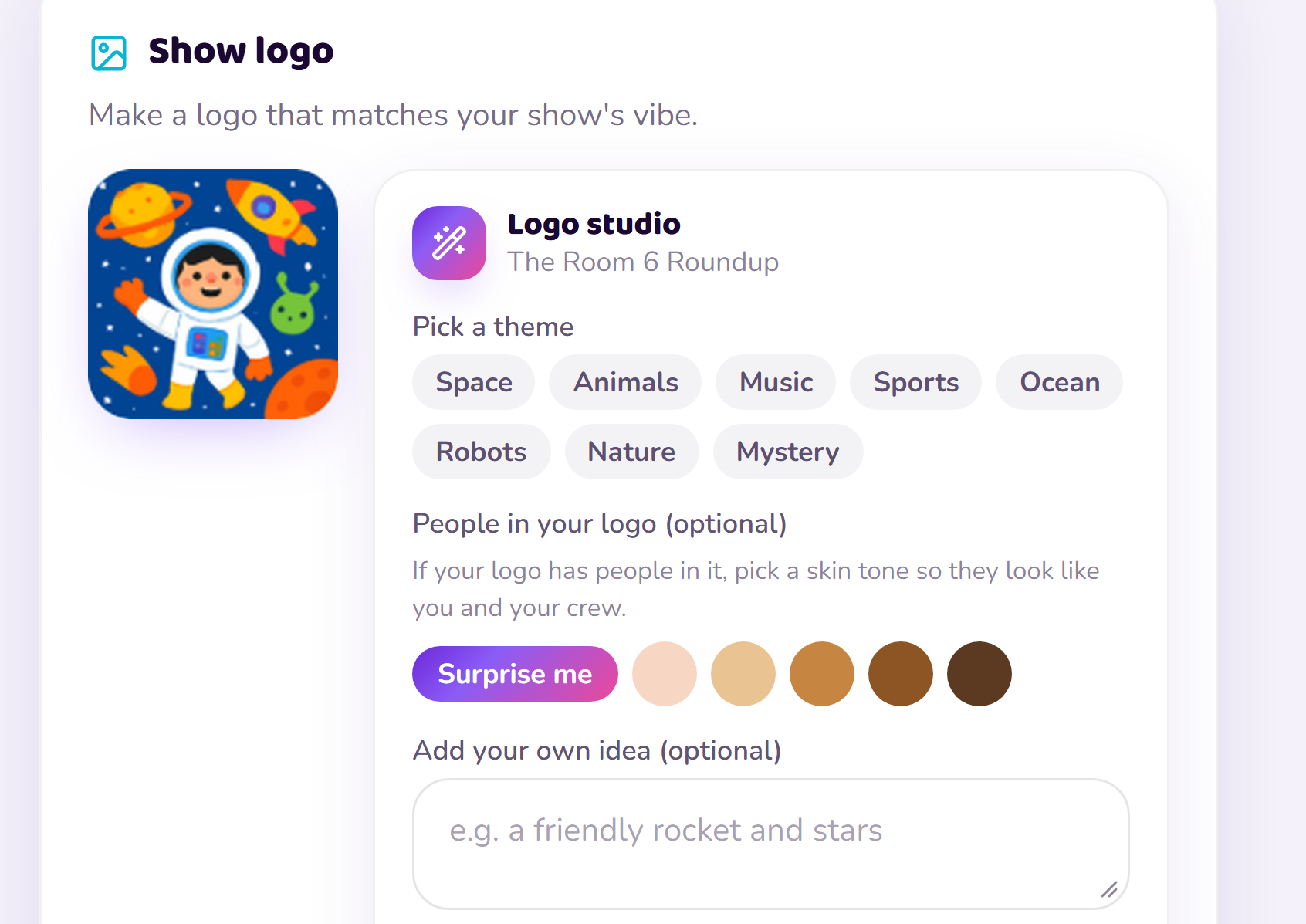
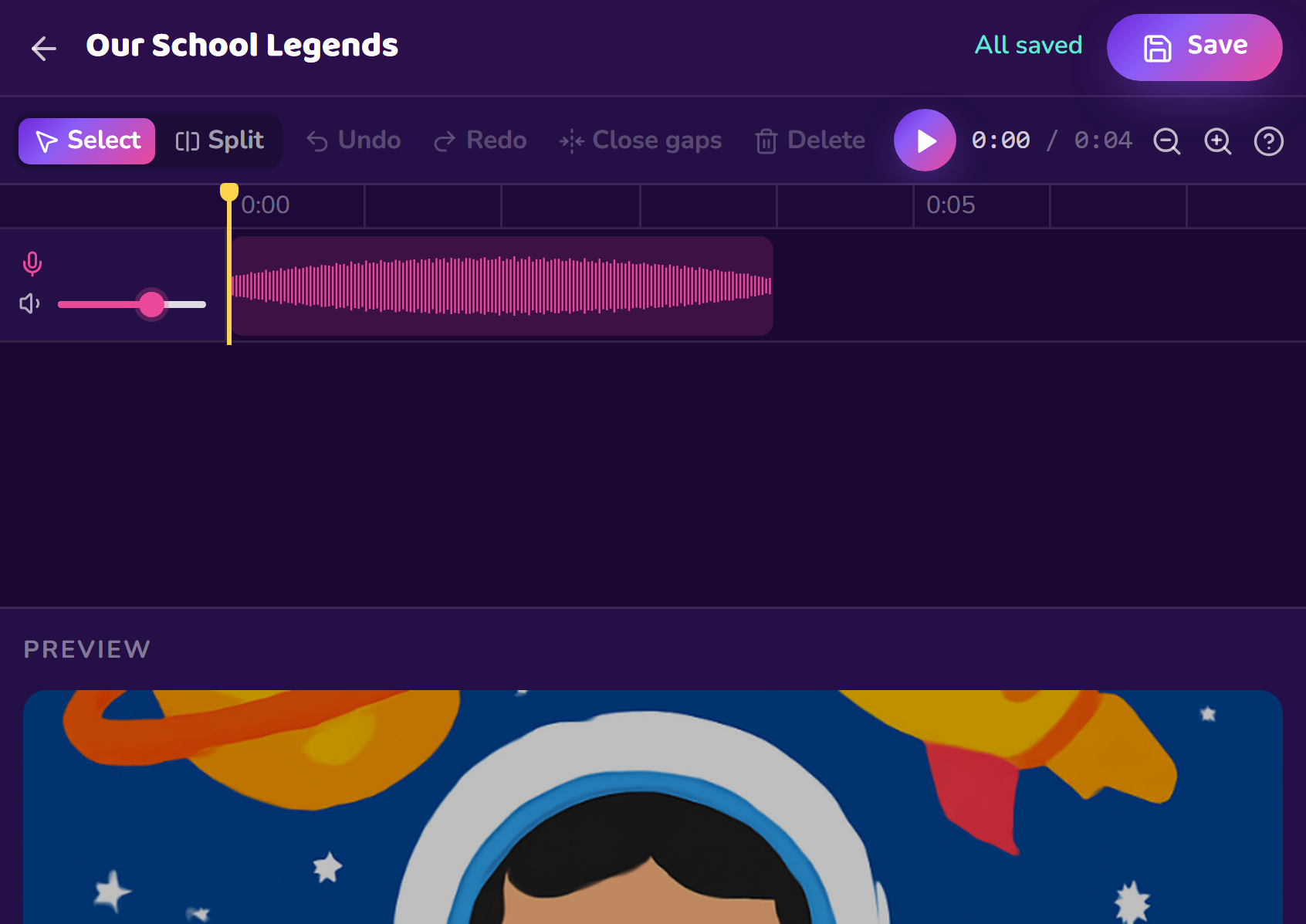
Children edit and publish real episodes in the DigiKōr+ studio
Screens from a demo class. No real student work is shown.
Children's data stays minimal, private and out of AI training
These platforms hold children's voices and schoolwork, so privacy was designed in from the start.
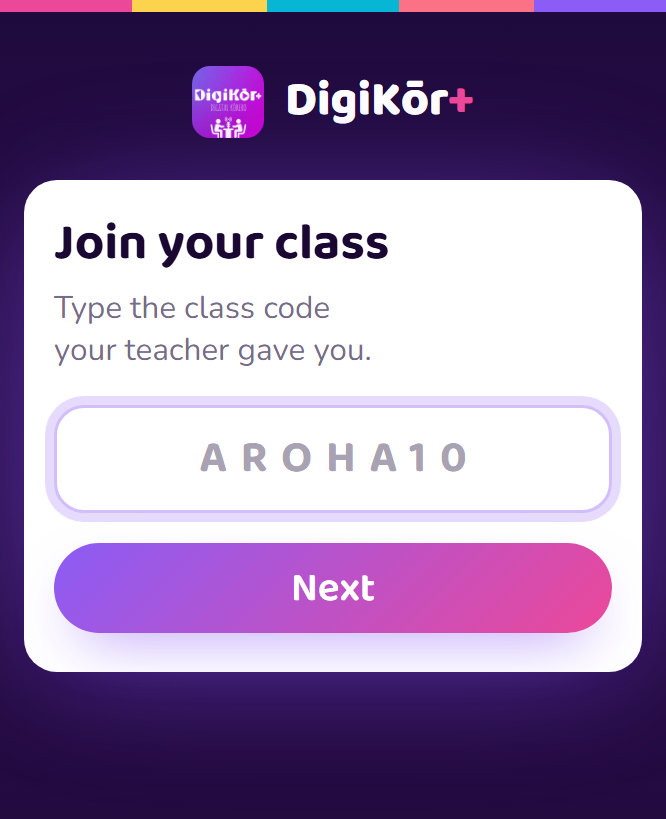
- In DigiKōr+, children join with a class code and PIN. No email needed.
- Minimal personal data: a first name and a class.
- Row-level security: students see only their own work, teachers only their class.
- Recordings sit in private storage, behind short-lived signed links.
- AI runs server-side through paid APIs. That data isn't used for training.
The result
17,578 pieces of student work in, and every mark is still a teacher's call
As at July 2026, DigiKōr had 226 students across 18 schools, who had submitted 17,578 pieces of work. The AI turns their recordings into transcripts and short summaries, so teachers can focus on students rather than admin.
At NCEA level the AI drafts Achieved or Not yet with the student's own answers cited, and flags visual work such as a logo or an edit for the teacher to mark. The teacher confirms or overrides every draft.
DigiKōr and DigiKōr+ are finalists in the Te Ao Māori & Pasifika AI category of the 2026 Aotearoa AI Awards.
Moderation changes are live for Term 4, and the awards land in November
In September 2026 we shipped a round of DigiKōr changes for NZQA moderation of Skill Standard 40153, with a batch of DigiKōr+ improvements, three weeks before Term 4.
The award winners are announced on 18 November 2026, and we will refresh this page and its July numbers then. What won't change: the AI drafts, and the teacher decides.
Questions people ask
How long did DigiKōr take to build?
It is an ongoing build rather than a one-off project. DigiKōr came first, DigiKōr+ followed for younger classes, and we ship improvements in rounds as schools use them, most recently in September 2026.
What did Campfire and the teachers have to do?
Campfire owns and runs the programme and its course content, and its team tests each round before it goes live. Teachers set up a class, share its join code, and confirm or override each AI draft.
Is children's data safe, and is it used to train AI?
The database itself enforces that students see only their own work and teachers only their class, and recordings sit in private storage. The AI runs server-side through paid APIs whose data isn't used for training, and the data is hosted in Sydney, the closest region to New Zealand.
How do we start something similar?
Tell us what your team spends too long on and where a person has to keep the final say. We scope it with you, then design, build, host and keep developing the platform, as we do for Campfire.
More case studies
 Cultural heritage app
Vaka Ō Te Tupuna: 78,000+ words of kōrero, kept by whānau
Vaka Ō Te Tupuna: 78,000+ words of elders' kōrero transcribed, with every recording saved to the whānau's own Google Drive and summarised by AI with a cultural lens.

 Advice platform
Nudge: free KiwiSaver advice for 145+ Kiwis, signed off by an adviser
Nudge, a free KiwiSaver advice portal for a Christchurch financial adviser, has helped 145+ Kiwis: AI runs the conversation, plain code scores the risk and a licensed adviser reviews every recommendation.
Building something for education or your community?
We design, build and look after AI platforms for New Zealand organisations. Tell us what you’re working on.
Last updated 29 September 2026